Side Butterfly Applique: A Designer's Review for Business Merch
As an embroidery designer who spends most of my days digitizing logos and prepping files for commercial runs, I approach every new machine embroidery design with a critical eye. It is not just about whether a pattern looks pretty on a screen; it is about how it performs under the needle, how it wears after fifty washes, and whether it elevates a brand's identity. Today, I am reviewing the Side Butterfly Applique, a file that sits in the "Bugs" category but offers far more than simple insect imagery for those of us in the business of custom apparel and branded goods.
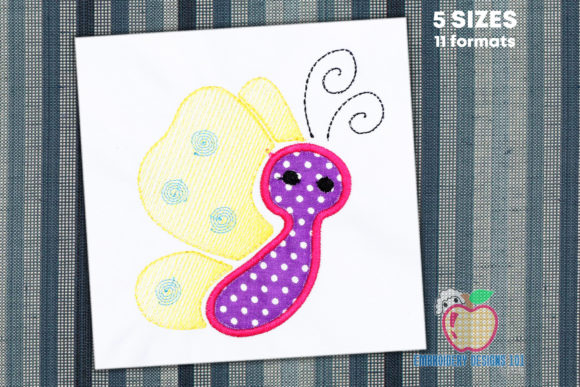
My first impression of the Side Butterfly Applique is that it strikes a delicate balance between whimsical and professional. Unlike some novelty designs that feel too cartoonish for serious branding, this piece carries an elegant, organic flow. The "applique" designation immediately signals to me that this design relies on fabric layers rather than just satin or fill stitches. For small business owners, this is a crucial distinction. Applique techniques often result in a flatter, more durable finish that feels premium to the touch, making it ideal for high-end boutique merchandise or staff uniforms where comfort is key.
Real-World Application for Small Business Merch
When evaluating a digital embroidery file for commercial use, I always visualize specific scenarios. Imagine a local florist or a boutique bakery looking to upgrade their staff attire. A standard logo on the chest is functional, but adding the Side Butterfly Applique as a sleeve detail or a subtle accent on an apron transforms a basic uniform into a branded experience. Because the design features a side profile, it works exceptionally well on curved surfaces like cap fronts or the pocket of a work shirt, where a symmetrical, front-facing butterfly might get distorted by the seam or the curve of the headwear.
For Etsy sellers and creators of handmade products, this design shines as a value-add. Consider a tote bag shop. Adding this butterfly as a tote bag design element can turn a plain canvas carrier into a signature item. The layered nature of applique adds texture without excessive bulk, which is vital for bags that need to fold or be stuffed. Similarly, for pet brands or creative studios, this could serve as a charming patch sewn onto packaging or included as a free gift with purchase, enhancing customer engagement and perceived value.
The versatility extends to event merch as well. If you are running a spring market or a garden-themed workshop, incorporating this motif into your custom apparel lineup creates immediate visual cohesion. It acts as a visual anchor that customers associate with your specific event, fostering a sense of community and belonging among attendees.
Navigating Technical Challenges in Production
While the aesthetic potential is high, a professional review must address the technical realities of production. The description notes that steps are separated by color changes, which is standard for applique, but it requires careful handling during the stitching process. When producing an embroidered patch or applying this directly to garments, you must be mindful of the stitch density. Applique involves cutting fabric, placing it, and then tacking it down. If the design is scaled down too small for a tiny lapel pin or a child's garment, the intricate edges of the butterfly wings might merge, losing definition.
I strongly advise testing this design on various fabric textures before committing to a large run. On thick denim or textured canvas, the applique fabric needs to be thin enough to prevent puckering but heavy enough to show through the tack-down stitches clearly. Conversely, on lightweight performance fabrics used for active wear, the weight of the applique fabric combined with the stitching could cause dragging. Always use the appropriate stabilizer; for applique, a cut-away stabilizer is often safer than tear-away to ensure the design holds its shape over time, especially on items like aprons that undergo frequent washing and friction.
Another consideration is color contrast. Since this is an applique, the thread colors define the edges, but the fabric you choose for the wing fills defines the soul of the design. Ensure your fabric choices contrast sufficiently with the base garment. A dark butterfly on a navy uniform might disappear, ruining the brand identity you are trying to establish. Furthermore, verify the hoop size requirements. While the file comes in multiple formats, ensure your machine's hoop can accommodate the full span of the wings without needing to re-hoop, which can lead to alignment issues.
Elevating Brand Identity and Professionalism
In the crowded marketplace of small business merch, details matter. Using a generic clip-art style image can make a brand feel amateurish. However, a well-executed embroidery design like the Side Butterfly Applique signals attention to detail and quality. It tells the customer that the business cares about the tactile experience of their products. This level of craftsmanship builds trust. When a customer sees a clean, precise applique on a hat or a bag, they subconsciously transfer that quality assessment to the products or services the business provides.
Consistency is also key. If your brand uses nature-inspired elements, this design fits seamlessly into a broader ecosystem of design assets. It can be paired with floral motifs or leaf patterns to create a comprehensive visual language across your product line. Whether it is used on a hangtag, a woven label, or a prominent chest logo, the consistent use of this high-quality motif reinforces brand recognition.
Essential Designer Notes for Commercial Success
Before you load this file into your machine for a client order, here is my checklist for ensuring a flawless finished product:
- Test in Monochrome First: Stitch a sample in black and white to check the clarity of the outlines and the spacing between the wings without the distraction of color.
- Verify Scalability: Confirm that the design retains its integrity at the smallest size you intend to use, particularly for patches or pocket accents.
- Fabric Compatibility: Run tests on the exact fabric weight and texture your client will be using to check for puckering or registration errors.
- Create a Printable Mockup: Before stitching, generate a printable mockup to show the client exactly how the applique will look on their specific garment color and style.
- Check Licensing: Although the description mentions multiple formats, always confirm the commercial licensing terms explicitly before selling items made with this embroidery file.
- Thread Selection: Choose high-sheen rayon or durable polyester threads that complement the applique fabric, ensuring the thread colors enhance rather than clash with the fabric fill.
The Side Butterfly Applique is more than just a decorative element; it is a versatile tool for branding. By understanding its technical requirements and leveraging its aesthetic strengths, small business owners and embroidery professionals can create standout merchandise that resonates with customers and stands the test of time. Just remember to respect the limitations of the medium, test thoroughly, and let the quality of the stitch speak for your brand.