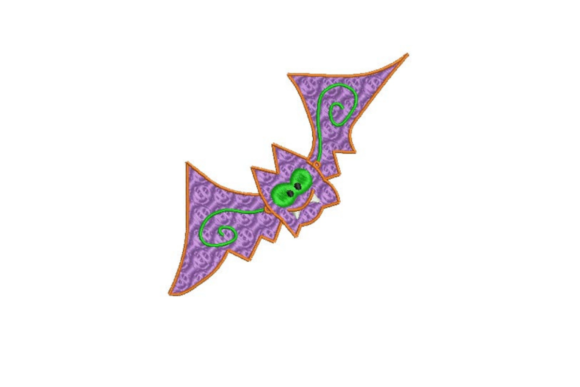
Purple Vamp: A Designer's Review for Small Business Merch
As an embroidery designer who has spent years digitizing and reviewing files for commercial use, I approach every new machine embroidery design with a critical eye. It is not just about whether the image looks cute on a screen; it is about how that digital embroidery file translates into a tangible asset for a brand. Today, I am reviewing Purple Vamp, a Halloween-themed design specified for a 4×4 hoop. While the product description highlights its suitability for children's apparel, my focus here is strictly on its potential utility for small business owners, boutique operators, and merch creators looking to expand their branded inventory during the autumn season.
First Impressions and Visual Personality
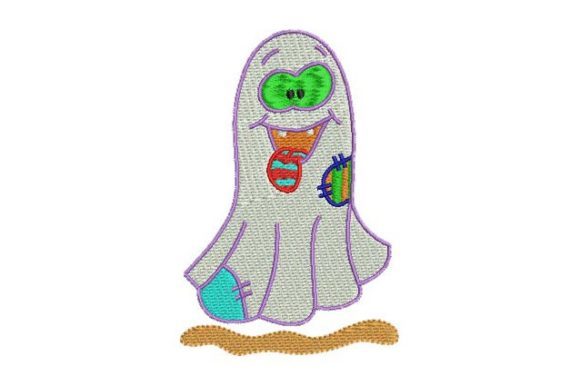
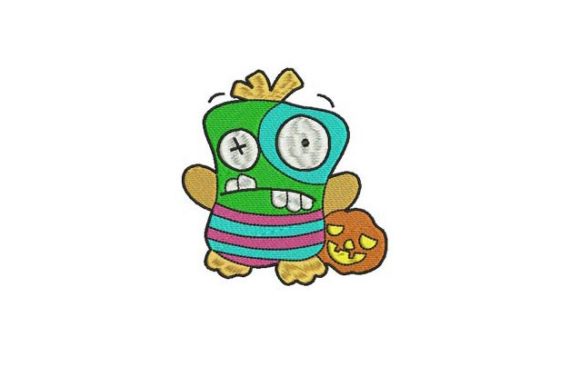
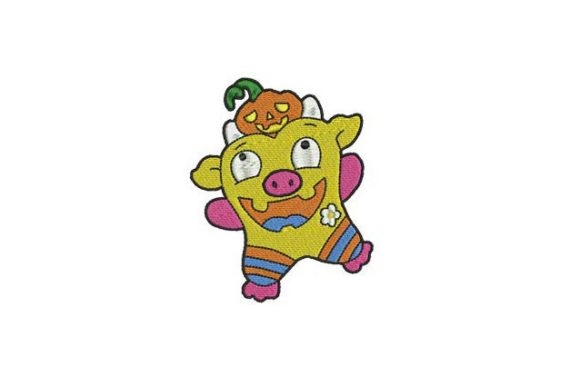
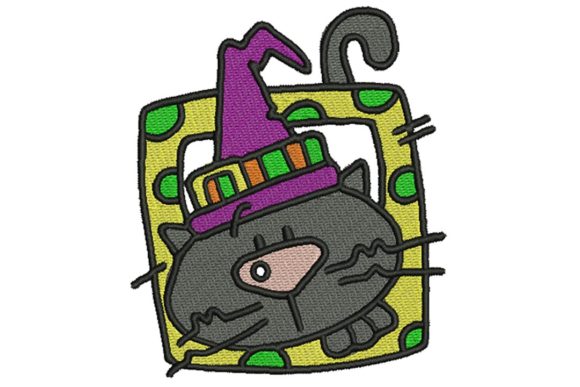
The title Purple Vamp immediately suggests a specific aesthetic. In the world of seasonal branding, purple often conveys a sense of whimsy, magic, and premium creativity rather than pure horror. For a small business, this is a crucial distinction. A design intended for "Halloween Decorations" can sometimes lean too heavily into the spooky or gory, which limits its application. However, based on the description noting it is "great for children apparel," we can infer that Purple Vamp likely possesses a friendly, playful, and approachable character.
This visual personality makes it an excellent candidate for businesses that want to participate in the holiday spirit without alienating their customer base. Think of a local bakery, a pet grooming salon, or a creative studio. These brands need a brand identity element that feels festive but remains professional. If the design features clean lines and bold shapes, as one would hope for a 4×4 format, it transitions well from a child's shirt to a staff uniform or a retail tote bag. The key takeaway from the first impression is versatility; it feels less like a costume prop and more like a seasonal brand accent.
Real-World Applications for Commercial Embroidery
When evaluating Purple Vamp for commercial embroidery projects, the 4×4 hoop size is the defining constraint and opportunity. This dimension is the industry standard for left-chest logos, cap fronts, and small patches. Here is how I see this design performing in real business scenarios:
- Embroidered Patches: This is perhaps the strongest use case. Creating a run of limited-edition patches allows a business to sell small business merch without committing to printing hundreds of custom t-shirts. A Purple Vamp patch can be ironed onto denim jackets, backpacks, or tote bags by the end consumer, adding value to the finished product.
- Staff Uniforms and Aprons: For cafes and boutiques, apron embroidery is a subtle way to show seasonal flair. Placing this design on the bib of an apron or the sleeve of a work shirt creates a cohesive look that customers notice. It signals that the business is active and engaged with the community.
- Cap Embroidery: The curved surface of a baseball cap requires a design with stable density. If Purple Vamp has been digitized with proper pull compensation, it can serve as a striking front logo for promotional hats given away at fall events or sold as part of a holiday collection.
- Tote Bag Design: Canvas tote bags are staples for handmade brands. A 4×4 design placed centrally or in the corner acts as a perfect handmade product marker, distinguishing a limited October release from standard inventory.
Technical Considerations and Production Risks
While the artistic potential is high, a professional review must address the technical realities of production. The description mentions "Halloween Decorations," which sometimes implies decorative fill patterns that may not hold up under industrial stress. Before running a production job, there are several areas where Purple Vamp must be used carefully.
First, consider the stitch density. Halloween designs often utilize satin stitches for bold outlines or dense fills for solid colors. On a small 4×4 scale, excessive density can cause the fabric to pucker, especially on textured materials like twill caps or thick canvas totes. It is vital to test the design on the actual fabric texture you intend to use. A design that looks crisp on a digital printable mockup might lose definition if the stitches are too close together on a fuzzy fleece.
Secondly, evaluate the thread colors. The name implies a heavy reliance on purple hues. When embroidering on dark uniforms, such as black or navy staff shirts, you must ensure there is sufficient contrast. If the design includes fine details or tiny lettering, these elements may disappear against a dark background or become distorted during the washing process. For items that require frequent washing, like aprons or work shirts, simplified details are always safer than intricate ones.
Essential Pre-Production Checklist
To ensure Purple Vamp meets your quality standards, I recommend following this practical checklist before offering it to clients or using it in your shop:
- Test in Black and White: Convert your preview to grayscale to check if the design relies solely on color for definition. A strong logo should hold its shape even without color.
- Verify Small Patch Viability: Stitch out a sample at the smallest intended size. Ensure that no elements merge together or break apart.
- Inspect Spacing and Underlay: Check the back of the sample. Proper underlay is essential for stability, particularly on stretchy fabrics used in custom apparel.
- Confirm Hoop Size Compatibility: Although listed as 4×4, always measure the actual stitch area to ensure it fits your specific machine's hoop capabilities without hitting the frame.
- Select the Right Stabilizer: Match your stabilizer to the fabric weight. A cut-away stabilizer is often necessary for garments that will undergo repeated washing.
- Create a Client Mockup: Before final approval, present a realistic mockup showing the design on the intended garment to manage expectations regarding scale and placement.
- Review Licensing Terms: Crucially, confirm the commercial licensing. Just because a file is available for purchase does not automatically grant rights for unlimited resale of physical goods. Ensure the license covers design assets used for profit.
Impact on Brand Identity and Customer Trust
Ultimately, the decision to use Purple Vamp comes down to brand strategy. Consistency builds trust. If a brand suddenly introduces a low-quality, pixelated, or poorly stitched design, it erodes customer confidence. Conversely, a well-executed embroidery project enhances perceived value. Using a cohesive seasonal design like this shows attention to detail and a commitment to the customer experience.
For Etsy sellers and crafters, offering a coordinated line of products featuring Purple Vamp—such as matching patches, bags, and apparel—creates a compelling narrative. It transforms a simple transaction into an emotional connection with the holiday. The tactile nature of embroidery adds a layer of premium quality that printed graphics simply cannot match. When a customer feels the raised texture of the threads, they perceive the item as more durable and valuable.
In conclusion, Purple Vamp offers significant potential for small business merchandise, provided it is vetted technically. Its likely playful aesthetic fits well within the modern "spooky cute" trend, making it adaptable for various industries beyond just children's wear. By respecting the limitations of the 4×4 hoop, choosing the right materials, and adhering to strict quality control measures, embroidery professionals can leverage this design to create profitable, eye-catching, and professionally branded goods this Halloween season. Always remember to verify the specific file details and license terms before beginning production to ensure a smooth and successful run.