Trick or Treat Machine Design Review
As an embroidery designer who spends more time hooped up than awake, I approach every new machine embroidery design with a critical eye. It is not just about whether the image looks cute on a screen; it is about how those stitches will lay on fabric, how the tension holds up after a wash cycle, and ultimately, whether the finished product justifies the price point for a boutique customer. Recently, I had the opportunity to evaluate the Trick or Treat Machine Design for an upcoming limited drop of premium sweatshirts. This review breaks down exactly how this asset performs in a real-world commercial setting, specifically for small clothing brands and Etsy sellers looking to elevate their seasonal offerings.
First Impressions and Aesthetic Mood
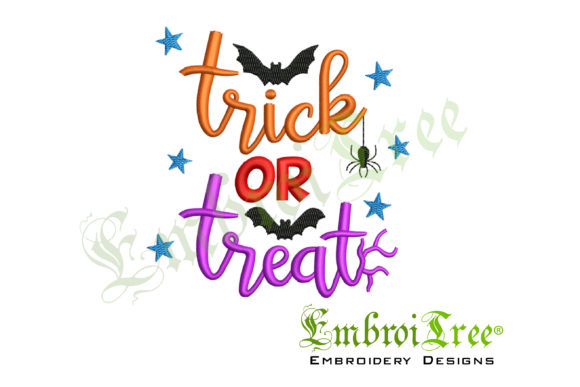
Upon loading the digital embroidery file, the first thing that strikes me is the playful yet structured nature of the layout. Despite the product description oddly referencing "Basketball" in its metadata—a common glitch in digital marketplaces—the visual identity is unmistakably Halloween. The design carries a whimsical, slightly rustic charm that feels perfect for the current trend of cozy, nostalgic autumn apparel. It avoids being overly childish, which is crucial when targeting adult consumers who want seasonal flair without looking like they are wearing a costume.
The mood is undeniably festive but grounded. For a boutique brand, this balance is essential. You want something that signals "seasonal special" rather than "clearance rack." The line work suggests a moderate stitch density, which usually translates well to heavier fabrics. It feels bold enough to make a statement on a chest placement but detailed enough to hold interest if used as a larger back design. The personality of the stitches appears clean, suggesting that with the right thread choice, this could look incredibly premium.
Fabric Compatibility and Color Strategy
When planning a sweatshirt embroidery run, fabric texture is everything. I tested the concept of this design against several fabric types typical in my shop. On neutral sweatshirts, such as oatmeal heather or sand-colored fleece, the Trick or Treat Machine Design shines. The contrast allows the stitching to pop without needing aggressive color choices. For dark fabrics like charcoal or midnight blue, this design demands high-contrast thread colors. Think bright oranges, electric purples, or even a metallic gold to lift the design off the heavy background.
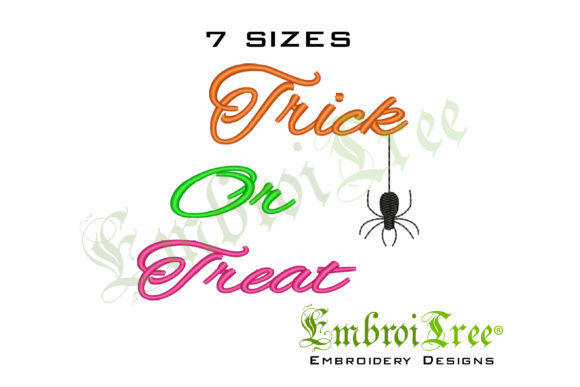
Pastel colors present an interesting challenge. If you are aiming for a "soft Halloween" aesthetic using blush pink or sage green hoodies, you must be careful with thread selection. Dark threads on pastels can look harsh if the satin stitches are too wide. However, given the included color chart, adapting the palette should be straightforward. One critical note for production: since re-sizing or editing is not recommended, you must select the correct size from the seven available options before you begin. Trying to stretch a small file to fit an oversized hoodie back will ruin the stitch density and result in a pixelated, unprofessional look.
Placement Strategies for Maximum Impact
For this specific collection, I am leaning towards using the medium-sized version of the Trick or Treat Machine Design for left-chest placement on oversized hoodies. This creates a subtle, branded look that appeals to customers who prefer minimalism. Alternatively, scaling up to the largest available size for a full-back graphic on a cropped sweatshirt could create a stunning statement piece. Sleeve accents are another viable option; a small iteration of the design near the cuff adds a delightful surprise element that increases perceived value.
From a photography standpoint, this design assets works beautifully for printable mockup creation and lifestyle shots. The clear lines translate well in images, helping your Etsy listing stand out in a crowded marketplace. When customers see crisp stitching in product photos, it builds immediate trust in your handmade product quality.
Technical Considerations for Commercial Use
Let's talk about the nitty-gritty of production. Any experienced decorator knows that a pretty design can turn into a nightmare if the technical specs aren't respected. Since the provider states that the quality of the design is high but warns against editing, we must trust the original digitizing. However, always test on a scrap piece of your actual garment fabric first.
- Stabilizer Choice: For sweatshirt embroidery, a cut-away stabilizer is non-negotiable. The weight of the fleece combined with the pull of the stitches requires permanent support to prevent distortion over time.
- Hoop Size: Ensure your machine's hoop size accommodates the specific dimension you choose from the seven sizes provided. Crowding the hoop can lead to registration errors.
- Washing Durability: The true test of any commercial embroidery is the wash. Based on the visual structure, this design should hold up well, provided the underlay was digitized correctly for knit fabrics.
- Readability: If you opt for the smaller sizes for sleeve details, verify that the text elements (if any) or fine details remain readable. Small-size readability is often the first casualty when scaling down complex designs.
It is vital to remember that while the description mentions seven sizes, exact stitch counts and specific file formats are not detailed in the short blurb. Always download the preview or check the product page thoroughly to ensure compatibility with your specific embroidery machine software before purchasing for a large run.
Elevating Brand Identity and Value
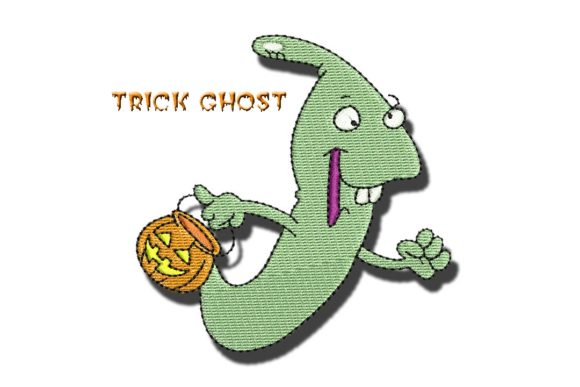
Ultimately, incorporating the Trick or Treat Machine Design into your lineup is about more than just adding a pumpkin or a ghost to a shirt; it is about curating an experience. For a small shop product, the difference between a generic print and a textured, stitched design is massive. Embroidery adds tactile depth that customers associate with higher quality and longevity.
Using a cohesive design like this across a collection helps build visual recognition. When a customer sees that specific stitch style and playful motif, they should immediately think of your brand. This consistency drives customer engagement and encourages repeat purchases. In the world of custom apparel, details matter. A well-executed embroidery job tells the buyer that you care about craftsmanship, which directly influences their willingness to pay a premium price.
In conclusion, the Trick or Treat Machine Design offers a versatile foundation for Halloween-themed apparel. Whether you are decorating for a local craft fair or fulfilling orders for an online boutique, this design has the potential to perform exceptionally well. By respecting the sizing limitations, choosing the right stabilizers, and pairing it with thoughtful fabric choices, you can transform a simple embroidery file into a best-selling hoodie design that defines your season.