Black Garden Ant Redwork Design Review
As an embroidery designer preparing for a busy weekend at the local craft fair, my eyes are always scanning for designs that stop customers in their tracks. The booth display needs to tell a story instantly, and every handmade product on the table must justify its price tag through quality and visual appeal. Recently, I have been evaluating the Black Garden Ant Redwork Design to see if it earns a spot in my upcoming collection. This isn't just about digitizing a bug; it is about understanding how a specific motif fits into the broader market of craft fair products and whether it translates well from a digital screen to physical fabric.
First Impressions and Aesthetic Appeal
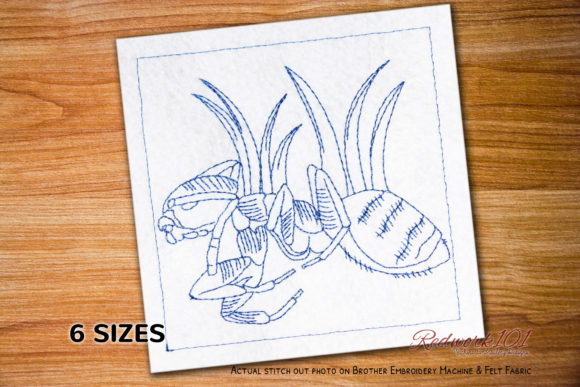
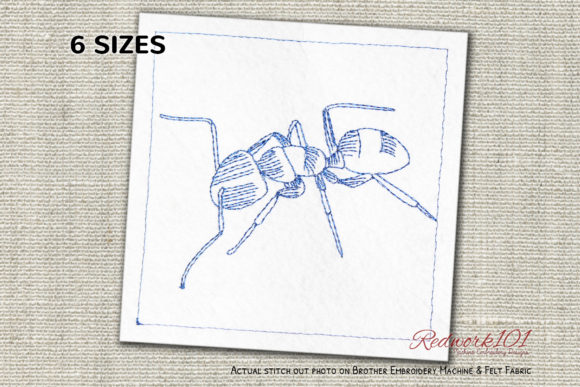
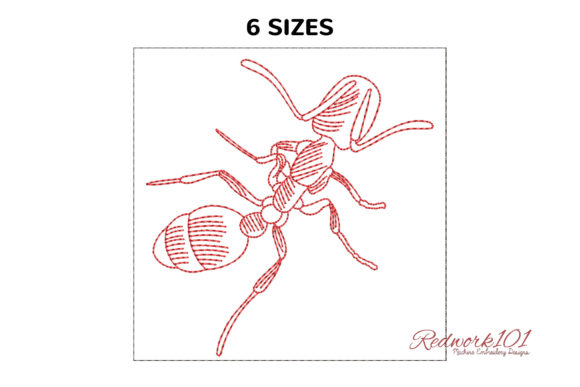
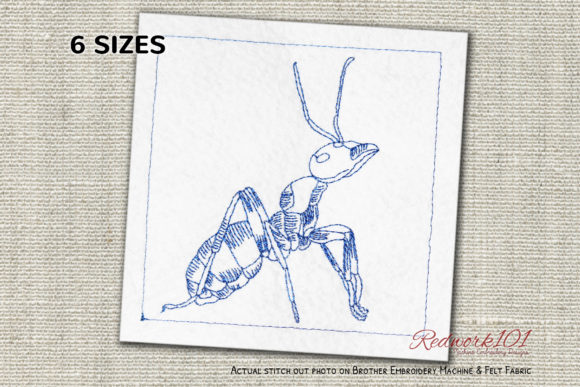
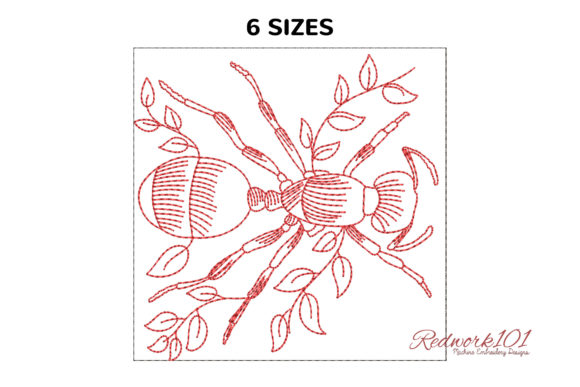
The first thing that strikes me about the Black Garden Ant Redwork Design is its inherent simplicity and boldness. Redwork, by definition, relies on a single thread color against a contrasting background, creating a look that is simultaneously rustic and modern. This design feels less like a scientific illustration and more like a charming, farmhouse-style accent. It carries a "cottage core" vibe that is currently very popular among boutique makers and creative entrepreneurs. Unlike complex, multi-color machine embroidery designs that can sometimes look cluttered from a distance, this ant motif offers clean lines that are easy to understand at a glance.
The description notes that the box stitch shown in reference pictures is optional. This is a crucial detail for a professional. It means the design is versatile. I can choose to frame the ant for a structured look on a tote bag design or let the insect stand alone for a more organic feel on a kitchen towel. The ability to skip the outer box color directly in the machine settings gives me control over the final aesthetic without needing to edit the file myself. For a small shop product, this flexibility allows me to create a cohesive brand look across different items.
Product Applications for the Craft Fair Booth
When setting up my table, I need to visualize where this design will perform best. Here is how I see the Black Garden Ant Redwork Design fitting into various product categories:
- Tote Bags and Market Bags: This is likely the strongest contender. A large-scale version of the ant centered on a natural canvas tote creates an instant statement piece. The high contrast of red thread on beige or black fabric draws the eye immediately.
- Apron Embroidery: For the gardening enthusiast, this design is perfect. Placed on the bib or the pocket of a heavy-duty canvas apron, it adds a touch of whimsy that appeals to people who love nature but want to keep their clothes clean.
- Tea Towel Embroidery: Kitchen linens are staples at craft fairs. The simplicity of redwork works beautifully here, as it mimics traditional heirloom stitching. However, one must be careful with fabric texture; a waffle weave might distort the fine lines of the ant's legs.
- Embroidered Patches: Creating iron-on or sew-on patches is a great way to sell this design to customers who want to customize their own jackets or bags. The defined edges of the ant make it ideal for cutting out as a patch.
- Caps and Hats: While popular, caps present a challenge due to the curved surface. The ant design would need to be small enough to fit the front panel without distortion, and the stitch density must be managed so the hat doesn't pucker.
Production Practicality and Batch Manufacturing
For an Etsy seller or craft fair vendor, time is money. The Black Garden Ant Redwork Design appears to be highly efficient for batch production. Because it utilizes a single color (or potentially two if the optional box is used), there is minimal thread changing. This significantly reduces the time spent per unit compared to full-color commercial embroidery projects. If I am running ten tote bags in a row, this design allows me to load the hoop, stitch, unload, and repeat with very little downtime.
Photography is another critical factor. In the world of online sales, the printable mockup and actual product photos must pop. The high contrast of redwork photographs exceptionally well. It looks crisp on social media feeds and in Etsy listings. Customers scrolling quickly on their phones will register the shape of the ant immediately, which increases the likelihood of a click-through. The design acts as a strong visual hook, enhancing buyer engagement before they even read the product description.
Critical Considerations for Execution
Despite its advantages, there are technical aspects I must address before committing to a full production run. The description mentions that the color of the outer box is different in most designs unless it is part of the design itself. This implies I need to be very deliberate with my thread colors. If I choose to include the box, I must ensure the second color complements the red without clashing. A navy blue or forest green could work, but black might be too harsh against the red depending on the fabric.
I also need to consider the limitations of the design regarding size and detail. Ants have thin legs and antennae. If I scale this design down too much for a small pouch or a child's shirt, those fine details may merge together, especially on textured towels or thick fabrics. It is vital to test the design on scrap fabric first. I need to check if the stitch density is appropriate for the material I am using. On a thick denim tote, the needle might struggle with tight turns, while on a lightweight linen, too much density could cause puckering.
Furthermore, the note about skipping the color directly in the machine suggests that the digital embroidery file is programmed with specific stop points. I must verify the sequence before starting. If I accidentally skip a necessary outline because I assumed it was optional, the entire design could look incomplete. Always review the stitch-out on your specific machine model, as tension and thread type can alter the final result.
Final Verdict for Handmade Sellers
The Black Garden Ant Redwork Design is a solid addition to a portfolio focused on nature-inspired, rustic, or farmhouse goods. It excels as a focal point on larger items like tote bags and aprons, where its bold lines can be fully appreciated. For finished product value, it elevates a simple item into something that feels curated and artisanal. However, success depends on execution. I strongly advise creating at least one real mockup before selling. Check the hoop size requirements to ensure it fits your equipment, and confirm you have the right stabilizer to support the fabric weight.
Crucially, before listing any items for sale, you must confirm the commercial licensing terms associated with this design asset. The product description provided does not explicitly state license terms, stitch count, or specific file formats. Do not assume these details; contact the designer or check the download package thoroughly. Once those boxes are checked, this design has the potential to be a best-seller, appealing to gardeners, bug lovers, and anyone who appreciates the timeless charm of redwork embroidery.