Red Wood Ant Bluework: A Seasonal Embroidery Review
As an embroidery designer preparing for the upcoming holiday rush, I am constantly scanning my digital library for designs that offer both whimsy and versatility. Today, I am taking a close look at the Red Wood Ant Bluework machine embroidery design. When planning a seasonal collection, the goal is to find assets that resonate with customers looking for unique, handmade gifts rather than mass-produced items. This specific design, categorized under Bugs, offers a fascinating blend of rustic charm and technical precision that could elevate a small shop product line significantly.
My first impression of the Red Wood Ant Bluework is one of playful nostalgia. The bluework technique, traditionally associated with delicate monochromatic stitching, gets a vibrant twist here with the red wood ant subject matter. It feels cozy yet modern, striking a balance that appeals to nature lovers and those seeking "cottagecore" aesthetics. For holiday embroidery, this design does not scream "Christmas" in the traditional sense, which is actually its strength. It allows for a broader seasonal appeal, fitting perfectly into autumn harvest displays, winter cabin decor, or even early spring collections focused on nature waking up.
Integrating Red Wood Ant Bluework into Holiday Collections
When building a seasonal shop collection, versatility is key. The Red Wood Ant Bluework is not just a single image; it is a potential cornerstone for various finished products. Imagine a limited-edition apparel drop featuring matching family sweatshirts. The design's clean lines and distinct color palette make it an excellent candidate for sweatshirt embroidery. On a heather grey or cream-colored fleece, the red and blue threads would pop beautifully, creating a festive yet understated look perfect for family gatherings or outdoor winter activities.
Beyond apparel, this digital embroidery file shines on home decor items. Consider a set of kitchen towel embroidery projects. Linen or cotton waffle weave towels adorned with this ant design make thoughtful hostess gifts. The "Bugs" category often leans towards children's items, but the sophisticated execution of this bluework style elevates it to adult decor. It would look stunning on a pillow cover for a reading nook or stitched onto a canvas tote bag design for shoppers carrying their holiday purchases. For those running an Etsy seller account, offering these as part of a bundle—perhaps a towel and a matching apron—could significantly increase average order value.
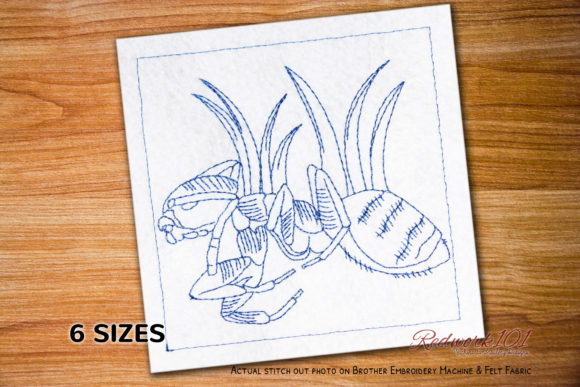
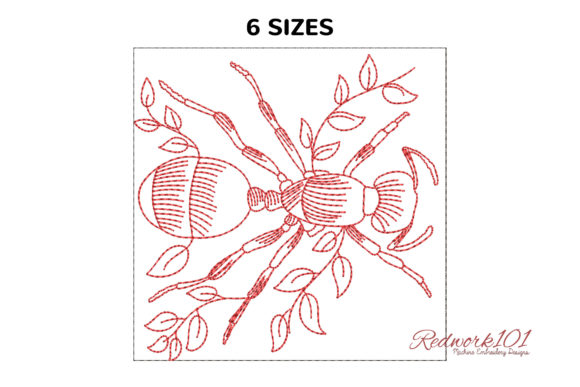
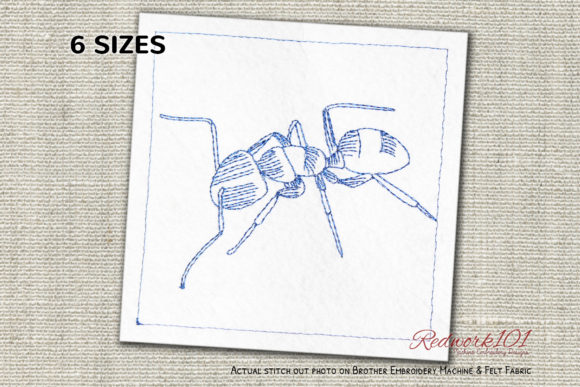
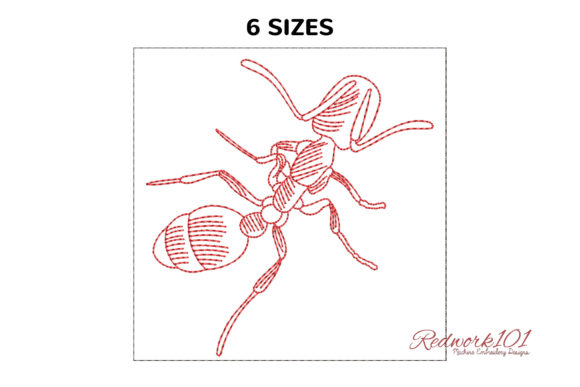
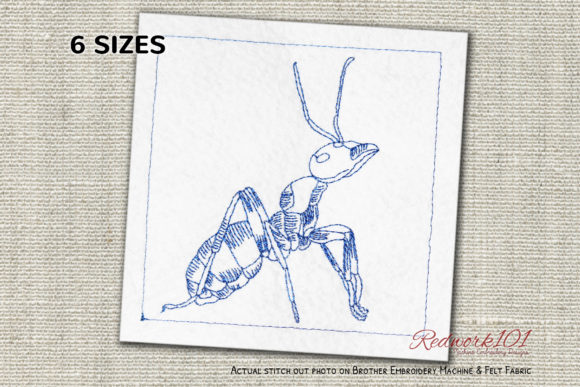
The optional Box Stitch mentioned in the design notes adds another layer of customization. As a designer, I appreciate when a file offers flexibility. If the box is skipped, the ant stands alone, perfect for smaller hoops or minimalist aesthetics. If included, it frames the insect like a specimen display, adding a scientific or vintage educational vibe that is very trendy right now. This adaptability makes it a strong contender for personalized gift options where customers might want to add names or dates around the frame.
Technical Considerations for Professional Results
While the aesthetic appeal is high, practical application requires careful attention to detail. Before committing to a large production run of commercial embroidery, one must consider the technical constraints. The description notes that the color of the outer box varies in most designs unless it is part of the design itself. This implies that thread color management is crucial. I strongly advise testing thread colors on both light and dark fabric before finalizing your product line. On dark navy or black garments, the red might need a slightly brighter shade to maintain visibility, while the bluework elements may require a metallic or high-sheen thread to stand out against the background.
Stitch density is another critical factor. Bluework designs can sometimes be dense to achieve that solid fill look. When applying this to stretchy garments or curved caps, high density can cause puckering. It is essential to use the proper stabilizer. For knit fabrics like sweatshirts, a cut-away stabilizer is usually best to support the weight of the stitching over time. For woven items like kitchen towels or pillow covers, a tear-away might suffice, but always test first. If you are creating an embroidered patch, ensure the backing is secure and the edges are finished neatly, as patches undergo significant wear and tear.
Furthermore, the note regarding the optional Box Stitch suggests that hoop size requirements may vary. Since exact hoop sizes are not specified in the provided details, you must check the file properties before purchasing or stitching. Attempting to force a design into a hoop that is too small can ruin the embroidery file's integrity and damage your machine. Similarly, if you plan to scale the design down for baby items or small accessories, review small details after stitching to ensure the fine lines of the ant's legs and antennae do not merge or become indistinct.
Maximizing Sales and Customer Engagement
In the context of holiday selling situations, the emotional connection a product fosters is paramount. The Red Wood Ant Bluework evokes a sense of curiosity and appreciation for the natural world. This resonates deeply with buyers looking for meaningful, non-generic gifts. When creating printable mockups or social media previews, focus on lifestyle imagery. Show the design on a cozy flannel shirt by a fireplace, or on a tote bag filled with pinecones and holiday greens. These visual cues help the customer imagine the product in their own life, boosting buyer emotion and perceived value.
For brand consistency, this design works well for shops that specialize in nature-inspired or rustic themes. Using it across multiple product types—from aprons to table linens—creates a cohesive collection that encourages customers to buy more than one item. It builds customer trust when they see that the stitch quality is consistent and the design holds up after repeated washing. Always confirm commercial licensing terms before selling finished seasonal products. While many digital embroidery files come with standard licenses, it is vital to verify if there are restrictions on the number of physical items you can produce.
Finally, consider the fabric texture. The interplay between the smooth sheen of embroidery thread and the texture of the base material defines the premium feel of the finished product. On a rough burlap, the design takes on a rugged, farmhouse look. On smooth silk or satin, it becomes elegant and refined. Understanding how the Red Wood Ant Bluework interacts with different materials allows you to target different market segments within your holiday campaign.
Final Designer Notes
To summarize, the Red Wood Ant Bluework is a versatile and charming addition to any seasonal embroidery portfolio. Its ability to transition from playful bug motif to sophisticated bluework art makes it a valuable asset for holiday product creators. Remember to:
- Test thread colors on various fabric backgrounds to ensure contrast.
- Verify the hoop size and stitch density settings before full production.
- Select the appropriate stabilizer based on the fabric texture and garment type.
- Create realistic mockups that highlight the design's seasonal mood.
- Review the optional Box Stitch element to decide if it fits your specific product vision.
- Confirm all commercial licensing details to protect your small business.
By paying attention to these details, you can transform a simple digital file into a best-selling handmade gift that delights customers throughout the holiday season and beyond.