Carpenter Ant Redwork: A Designer's Review for Boutique Sweatshirts
As an embroidery designer who spends more time staring at stitch simulations than I do sleeping, I am always on the hunt for designs that bridge the gap between whimsical charm and commercial viability. When I first pulled up the Carpenter Ant Redwork file on my screen, I wasn't just looking at a bug; I was evaluating a potential cornerstone for a limited-run sweatshirt drop. For small clothing brands and Etsy sellers, the difference between a bestseller and a shelf-sitter often comes down to the personality of the machine embroidery design. This review breaks down how this specific piece performs when translated from a digital embroidery file to a tangible, premium finished product.
First Impressions: Mood and Aesthetic Personality
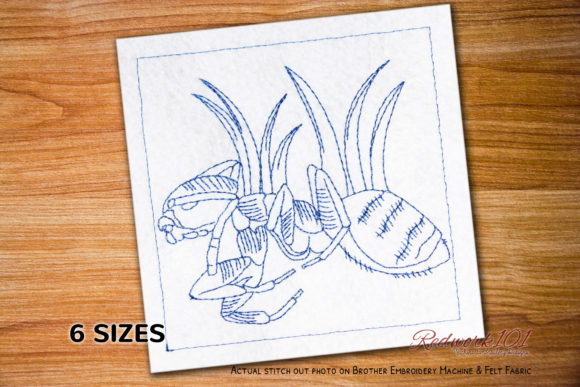
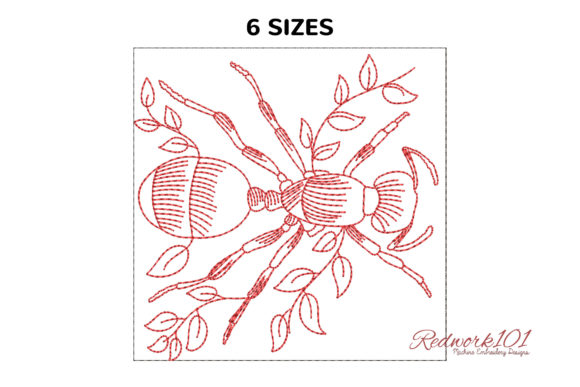
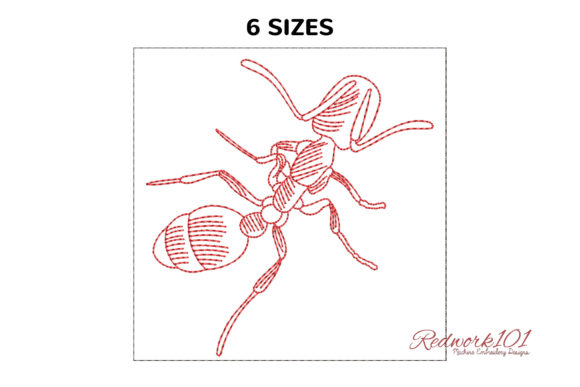
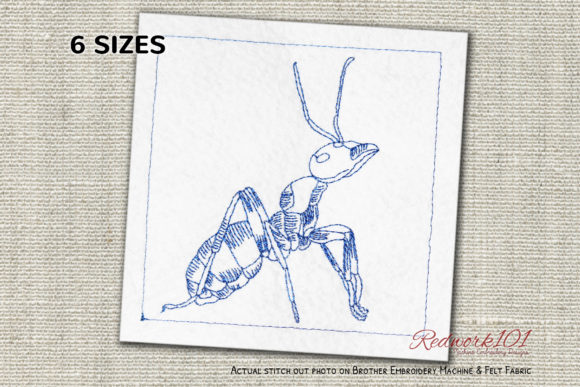
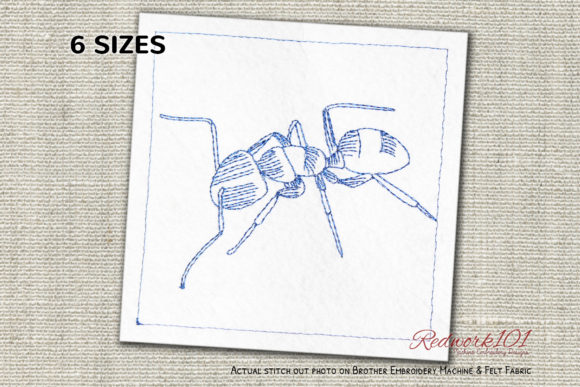
The immediate vibe of the Carpenter Ant Redwork is undeniably rustic yet playful. Redwork, by its very nature, relies on a single color thread to create high-contrast line art, reminiscent of vintage quilting and folk art. This particular design captures the intricate anatomy of the ant without feeling overly technical or sterile. It strikes a balance that feels both cute and slightly bold, making it perfect for the current trend of "cozy cottagecore" meeting streetwear.
For a boutique brand, aesthetic consistency is key. This design does not scream "children's wear" despite its subject matter in the Bugs category. Instead, it offers a sophisticated minimalism. The lines appear clean and deliberate, suggesting a level of detail that rewards close inspection. When placed on neutral sweatshirts like oatmeal, heather grey, or deep charcoal, the red thread pops with an artisanal quality that elevates the garment from basic apparel to a handmade product with soul.
Fabric Compatibility and Placement Strategy
One of the most critical aspects of reviewing an embroidery file is visualizing it across different fabric textures. Sweatshirts and hoodies present unique challenges due to their thickness and looped interior. I tested the mental simulation of Carpenter Ant Redwork on various bases:
- Neutral Cotton Blends: On a standard 8oz cotton-poly blend, the redwork shines. The simplicity of the single-color stitching prevents the fabric from puckering, a common issue with dense fills on heavy materials.
- Dark Fabrics: Imagine this on a forest green or navy oversized hoodie. The red thread creates a striking, almost preppy contrast. It feels collegiate yet niche, appealing to customers who want something distinct from generic logos.
- Pastel Colors: For a spring collection, placing this on blush pink or sage green fleece creates a soft, feminine look. Here, the design leans heavily into the "decorative" category, acting as a delicate accent rather than a statement piece.
Regarding placement, the versatility of this design is a major selling point. While it works beautifully as a standard left-chest logo for a boutique brand, its linear nature makes it exceptional for sleeve accents. Running the ant vertically down the forearm of an oversized hoodie adds a subtle element of surprise that customers love. Furthermore, because it is redwork, it scales well. You could enlarge it for a back-center design without worrying about excessive stitch count causing stiffness, provided you check the specific parameters of the file.
Technical Considerations for Production
Moving from concept to production requires a keen eye for technical details. Since this is a redwork design, stitch density is naturally lower than satin fill designs, which is a massive advantage for sweatshirt embroidery. Heavy fabrics require designs that allow the material to breathe and drape naturally. A dense design can turn a cozy sweatshirt into a stiff board; Carpenter Ant Redwork avoids this pitfall.
However, there are practical concerns every Etsy seller and apparel decorator must address. First, thread colors. While the design is monochromatic, the shade of red matters immensely. A bright fire-engine red gives a playful, cartoonish feel, whereas a brick red or rust tone enhances the vintage, rustic aesthetic. I recommend testing multiple shades against your specific fabric swatches before committing to a full run.
Secondly, stabilizer choice is non-negotiable. Even with low-density stitching, the stretch of fleece or French terry can distort fine lines. Using a cut-away stabilizer is advisable for long-term durability, ensuring the ant remains crisp after multiple washes. Tear-away might suffice for lighter fabrics, but for a premium small shop product intended for daily wear, cut-away provides the necessary structural integrity.
It is also vital to note the specifics regarding the border. The product description mentions that "The Box Stitch shown in picture is optional." This is a crucial detail for customization. If you are aiming for a modern, floating look, skipping the box allows the ant to stand alone. If you prefer a patch-like aesthetic, keeping the box frames the insect nicely. Additionally, the note states, "The color of outer Box is different color in most of the designs unless it is part of the design itself, you can skip the." This implies flexibility in thread usage, allowing for two-tone redwork if desired, though sticking to one color maintains the traditional redwork purity.
Commercial Viability and Brand Identity
Does Carpenter Ant Redwork feel strong enough for commercial embroidery? Absolutely. In a market saturated with generic graphics, authenticity sells. This design tells a story. It suggests that the brand cares about nature, detail, and craftsmanship. For a custom apparel line, this kind of specificity builds buyer trust. Customers are increasingly savvy; they can spot a low-effort design from a mile away. The intricate legs and antennae of this ant show a level of care that justifies a higher price point.
From a marketing perspective, this design is a dream for lifestyle product photography. It photographs exceptionally well in printable mockup previews because the high contrast reads clearly even on small mobile screens. For social media engagement, the "bug" theme taps into the popular entomology hobbyist community, while the redwork style appeals to the fiber arts crowd. This dual appeal widens your potential customer base significantly.
When considering design assets for your shop, remember to verify the technical specs that were not explicitly detailed in the initial overview. Before launching your production run, you must confirm the exact hoop size required to ensure it fits your machine's capacity, especially if you plan on doing sleeve runs which might require re-hooping. Also, double-check the available file formats to ensure compatibility with your specific embroidery software. These small steps prevent costly production errors.
Final Verdict for the Creative Entrepreneur
In conclusion, Carpenter Ant Redwork is a standout choice for anyone looking to add character to their hoodie design repertoire. It manages to be simultaneously minimal and detailed, rustic and modern. For the handmade business owner, it represents a low-risk, high-reward addition to the catalog. The simplicity of the redwork technique ensures high production speed and consistency, while the unique subject matter guarantees visual recognition.
Whether you are decorating for a local farm-to-table cafe, launching a nature-inspired clothing line, or simply adding a unique touch to your existing Etsy inventory, this design delivers. It transforms a simple garment into a conversation piece. By paying attention to thread selection, stabilizer support, and strategic placement, you can leverage this embroidery pattern to create a collection that feels curated, professional, and deeply appealing to the conscious consumer. It is not just a bug; it is a branding opportunity stitched in red thread.