Reviewing the 1961 Ferrari 250 GT SWB Design
As an embroidery seller who spends hours curating files for my small shop, I know that finding the right machine embroidery design is about more than just liking the image. It is about visualizing the finished product, understanding the technical requirements, and predicting what will resonate with customers on platforms like Etsy. Recently, I have been evaluating the 1961 Ferrari 250 GT SWB available on Creative Fabrica to see if it fits into my upcoming transportation-themed collection. This classic car holds a legendary status in automotive history, and translating that elegance into thread requires a design that respects the original lines while remaining practical for various substrates.
Visual Personality and Market Appeal
The first thing I look for when reviewing a new file is its overall vibe. Is it cute, rustic, or bold? The 1961 Ferrari 250 GT SWB exudes a sense of classic and premium sophistication. Unlike some cartoonish vehicle designs aimed strictly at toddlers, this artwork captures the sleek, aerodynamic curves of one of the most beautiful cars ever made. This makes it incredibly versatile. It appeals not just to children who love trucks and cars, but to adult enthusiasts, vintage collectors, and anyone who appreciates Italian engineering.
For an Etsy seller, this broad appeal is gold. A design that feels this elegant can be positioned as a high-end personalized gift for Father's Day, birthdays, or anniversaries. The aesthetic is timeless rather than trendy, which means it is less likely to go out of style next season. When I imagine this stitched onto a navy blue polo shirt or a structured cap, it immediately elevates the perceived value of the item. It moves away from "crafty" and toward "boutique merchandise."
Ideal Products for This Transportation Design
Based on the title and the nature of automotive imagery, I have mapped out several specific products where the 1961 Ferrari 250 GT SWB would shine. The key is matching the complexity of the car's details with the right fabric texture.
- Custom Apparel: This design is perfect for sweatshirt embroidery. A heather grey or charcoal sweatshirt provides a neutral backdrop that lets the car's details pop. It would also work beautifully on denim jackets, adding a vintage racer feel.
- Accessories: Imagine this on a canvas tote bag design for a car show attendee or a mechanic. An embroidered patch version of this car could be a standalone bestseller for iron-on application.
- Home Decor: While often associated with apparel, automotive themes are huge in home decor. A pillow cover in leather-look fabric or heavy canvas with this car stitched in contrasting thread colors would be a statement piece for a man cave or garage office.
- Kitchen Textiles: For the gear-head chef, kitchen towel embroidery featuring this classic vehicle adds a touch of personality to the kitchen. It transforms a standard utility item into a conversation starter.
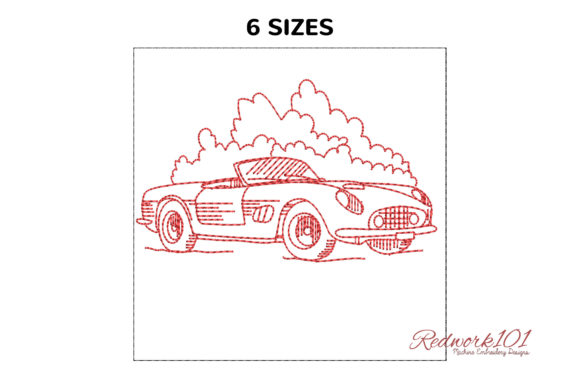
The description notes that the box stitch shown in pictures is optional and that the outer box color varies. This flexibility is crucial for a craft business. It allows me to adapt the design for different background fabrics without worrying about a fixed border clashing with the material. If I am stitching on a dark hoodie, I can skip the box entirely for a cleaner look. If I am doing a light-colored baby blanket, I might utilize a border to frame the car effectively.
Technical Considerations for the Embroidery Seller
Before adding any digital embroidery file to my inventory of usable designs, I have to think like a producer. Automotive designs can be tricky because they often rely on smooth satin stitches to mimic the shiny paint of a car, mixed with fill stitches for the interior or tires. The stitch density is a critical factor here. If the density is too high on a stretchy fabric like a t-shirt, the design might pucker. If it is too low on a towel, the fabric might show through the gaps.
Since the product details do not specify the exact stitch count, file formats, or compatible hoop size, it is essential to visit the Creative Fabrica product page to confirm these technical specs before purchasing. As a seller, I need to know if this design fits within a 4x4 hoop for smaller items like caps or if it requires a 5x7 or larger hoop for detailed apparel work. Knowing the file formats (PES, DST, JEF, etc.) ensures compatibility with my specific machines.
Furthermore, the note about thread colors is significant. Car designs often require specific shades of red, silver, or black to look authentic. I would recommend doing a test stitch-out on scrap fabric similar to your final product. Compare your actual thread colors against the preview image. Sometimes, a digital rendering looks vibrant, but the physical thread needs adjustment to achieve that premium metallic look associated with Ferrari.
Maximizing Sales Through Presentation
Once the technical side is verified, the real work begins in marketing. A design like the 1961 Ferrari 250 GT SWB sells based on how good the finished product looks in photos. Online shoppers cannot touch the fabric, so they rely on images. To make this design stand out in Etsy search results, I would focus on creating high-quality printable mockup images and real-life photography.
Photographing the embroidery on real fabric is non-negotiable. The way light hits the satin stitches of the car body can convey quality and texture. I would stage the product in a setting that matches the vibe—perhaps next to some vintage tools, on a wooden workbench, or paired with leather accessories. This context helps the buyer visualize owning the item.
Social media previews are another powerful tool. A short video showing the machine stitching out the curves of the Ferrari can be mesmerizing and drive traffic to the shop. Highlighting the precision of the Embroidery work reinforces the idea that this is a handmade, high-quality item, not a mass-produced print.
Licensing and Commercial Use
Finally, no review is complete without addressing the legalities. Creative Fabrica generally offers licenses that allow for the sale of physical finished goods, but terms can vary by designer. Before listing any commercial embroidery products made with this file, I always double-check the specific license included with the download. Ensuring compliance protects my shop and gives me peace of mind as I scale my production.
In conclusion, the 1961 Ferrari 250 GT SWB appears to be a strong contender for any seller looking to expand their Transportation category with something sophisticated. Its classic appeal bridges the gap between niche hobbyist and general consumer. By carefully selecting the right garments, verifying the technical specs like hoop size and stabilizer needs, and presenting the product with professional photography, this design has the potential to become a staple in a successful embroidery business. It is a reminder that sometimes the most profitable designs are those that honor history with modern craftsmanship.