First Ford Mustang Bluework: A Designer's Review
When I first pulled up the First Ford Mustang Bluework file on my screen, I wasn't just looking at a car; I was evaluating a potential bestseller for my upcoming autumn collection. As a designer who spends more time under a magnifying lamp than behind the wheel, my immediate reaction to any new machine embroidery design is practical: Will this stitch out cleanly? Does it have the visual weight to stand out on a sweatshirt, or will it get lost on a tote bag? This specific design, categorized under Transportation, offers a classic Americana vibe that feels timeless rather than trendy, which is exactly what I look for when investing in new design assets for my shop.
The Visual Personality and Stitch Structure
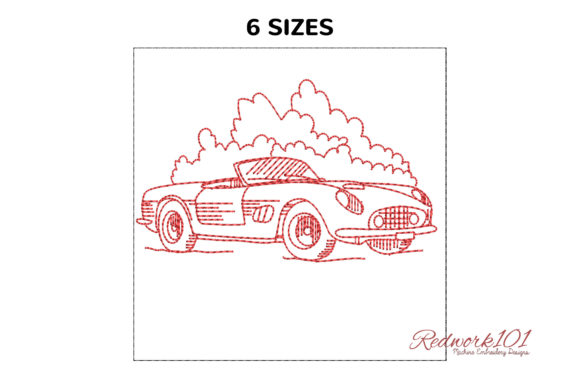
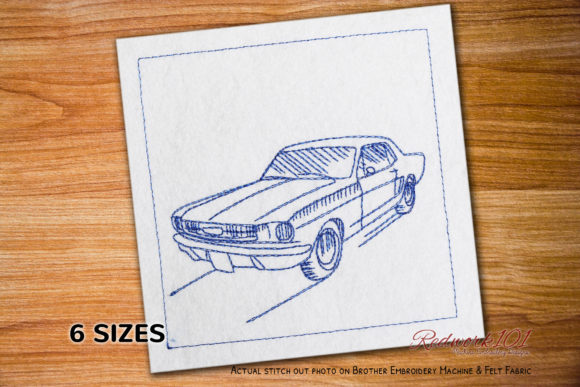
The "Bluework" aesthetic immediately sets a mood of nostalgia and reliability. It reminds me of vintage blueprints or classic denim workwear, making it an excellent candidate for projects that need a rugged yet refined touch. The layout of the Mustang is clean, avoiding unnecessary clutter that often plagues vehicle-themed embroidery files. In my experience, overly complex cars tend to turn into a muddy mess of thread once stitched, especially on textured fabrics. However, the silhouette here appears distinct enough to maintain its identity even from a distance.
One detail that caught my eye in the preview images is the optional box stitch. The product description notes that the outer box color often varies unless it is integral to the design itself. This flexibility is a huge plus for a professional embroiderer. It means I can adapt the First Ford Mustang Bluework to match specific brand colors for a client or coordinate it with the thread palette of a custom garment without being locked into a rigid frame. Whether you are using a satin stitch for crisp outlines or a fill stitch for the body of the car, the ability to modify the border gives you creative control over the final presentation.
Real-World Application: The Custom Sweatshirt Project
To truly test the viability of this design, I imagined a real-life scenario: creating a limited run of custom sweatshirt embroidery for a local car club's annual meet-up. The goal was to create a handmade product that members would actually wear, not just hang in a closet. For this project, the First Ford Mustang Bluework shines because of its balanced density. It isn't so heavy that it creates a stiff, cardboard-like patch on the chest of a fleece hoodie, nor is it so sparse that the fabric shows through awkwardly.
If I were stitching this onto a navy blue heavyweight cotton blend, the blue tones of the design would offer a subtle, tonal look that feels premium. Conversely, on a heather grey or cream-colored garment, the design would pop with high contrast, acting as a bold statement piece. This versatility makes it a strong contender for custom apparel lines where you need one design to work across multiple colorways. For an Etsy seller or small shop owner, this adaptability reduces inventory risk because the same digital file can serve diverse customer preferences.
Ideal Products and Placement Strategies
Beyond sweatshirts, this design translates well to various other substrates. I can easily see it working as a centerpiece for a durable canvas tote bag design, appealing to commuters who appreciate automotive history. It would also make a charming addition to nursery decor for a child's room, perhaps stitched onto a pillow cover or a blanket, provided the thread choices are softened for a baby-friendly palette. For those interested in creating an embroidered patch, the defined edges of the Mustang suggest it would cut cleanly if you plan to merrow the edges or create a heat-seal backing.
However, placement is key. On curved surfaces like caps or hats, the width of the car needs to be considered carefully. If the design is too wide, it might wrap uncomfortably around the sides of a structured cap, distorting the image. In such cases, scaling the design down or positioning it slightly off-center on the front panel might be necessary. For flat items like aprons or kitchen towels, the design sits comfortably in the center or lower corner, adding a touch of personality to everyday utility items.
Technical Considerations for Professional Results
While the aesthetic appeal is strong, a responsible designer must address the technical challenges before committing to a production run. The product description mentions that the box stitch is optional and that colors may vary. This implies that the end-user needs to be vigilant about their thread chart. Before stitching on a final garment, I always recommend running a test on scrap fabric of the same weight and texture. This allows you to check the stitch density and ensure there is no puckering, particularly if you are working with stretchy knits or thin poly-cotton blends.
Stabilizer choice is another critical factor. For a design with solid fill areas like a car body, a cut-away stabilizer is often safer than tear-away, especially for items that will undergo frequent washing, such as baby embroidery projects or daily-wear tees. This ensures the design remains stable and doesn't shift or distort over time. Additionally, if you are stitching on dark fabrics, you may need to adjust your underlay settings or use a topping to prevent the fabric texture from interfering with the smoothness of the satin columns.
It is also worth noting that specific details like exact stitch counts, available hoop sizes, and compatible machine formats are not explicitly detailed in the brief overview. As a precaution, always verify these specifications with the vendor before purchasing. Knowing whether the design fits a 4x4 hoop or requires a larger 5x7 area can save you from last-minute resizing headaches that compromise stitch quality. Furthermore, confirm the licensing terms. If you intend to use the First Ford Mustang Bluework for commercial embroidery projects or sell it as a digital product, ensure the license permits such use to avoid legal complications.
Enhancing Brand Value and Customer Trust
Ultimately, the value of an embroidery design lies in how it elevates the finished product. A well-executed First Ford Mustang Bluework stitch-out signals professionalism. It tells the customer that care was taken in selecting the motif and that the execution is precise. For boutique branding, consistency is everything. If this design becomes part of your signature line—perhaps paired with specific fonts or complementary graphic elements—it helps build recognition. Customers begin to associate that clean, classic car motif with your brand's quality.
In the world of handmade goods, the "giftability" factor is immense. A personalized item featuring a classic Mustang makes for a thoughtful holiday gift or a memorable present for a car enthusiast. The emotional connection people have with iconic vehicles like the Ford Mustang adds an layer of sentimentality to the physical object. When a customer sees a crisp, vibrant embroidery job on a high-quality garment, their trust in your craft business deepens, leading to repeat purchases and positive reviews.
In conclusion, the First Ford Mustang Bluework is a versatile and visually appealing addition to any designer's library. Its strength lies in its classic subject matter, adaptable framing, and suitable density for a range of fabrics. Whether you are a hobbyist looking to personalize a gift or a seasoned craft business owner expanding your catalog, this design offers a solid foundation for creating impressive, marketable goods. Just remember to respect the technical nuances of embroidery—test your materials, choose your stabilizers wisely, and let the quality of your stitch work speak for itself.