Astronaut Profession Machine: A Designer's Review for Brands
As an embroidery designer who has spent years digitizing and reviewing files for commercial use, I approach every new machine embroidery design with a critical eye. It is not just about whether the art looks cute on a screen; it is about how that digital embroidery file translates to fabric, withstands washing, and elevates a brand's identity. Today, I am taking a close look at the Astronaut Profession Machine design. This piece sits squarely in the Work category, making it a potential powerhouse for small business merch, staff uniforms, and branded patches.
My first impression of the Astronaut Profession Machine is one of playful professionalism. The concept of an astronaut implies exploration, precision, and reaching for the stars—themes that resonate deeply with startups, creative studios, and boutique owners. Visually, the design feels modern yet classic enough to avoid looking dated next season. It strikes a balance between a friendly, approachable aesthetic and the boldness required for a logo accent. For handmade brands and Etsy sellers, this kind of visual personality is crucial. It tells a story of ambition and craft without being overly aggressive or too whimsical to be taken seriously.
Real-World Application for Small Business Merch
When evaluating a design for commercial embroidery projects, I always ask: "Where will this live?" The Astronaut Profession Machine is versatile enough to serve multiple functions within a business ecosystem. Imagine a local coffee shop wanting to upgrade their staff attire. This design would work exceptionally well as a chest logo accent on a dark polo shirt or as a sleeve detail on a denim apron. The thematic link between "profession" and the meticulous nature of barista work creates a subtle but effective narrative.
For product designers and merch creators, the potential extends beyond apparel. Consider the rising trend of branded tote bags. A tote bag design featuring this astronaut motif could become a signature item for a boutique, offering customers a high-value handmade product they actually want to carry. Furthermore, in the realm of embroidered patch production, this file could be the centerpiece of a collection sold as add-ons for jackets or backpacks. Patches are low-risk, high-reward items for small businesses, allowing customers to customize their own gear while promoting your brand.
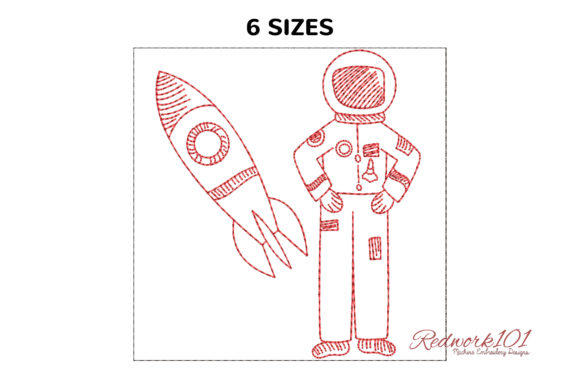
The description notes that "The Box Stitch shown in picture is optional." This is a significant feature for a designer. It means the Astronaut Profession Machine can be adapted for different applications. If you are doing cap embroidery, you might omit the box to reduce bulk and ensure the design sits flat on the curved surface. Conversely, for a large back patch on a work shirt, keeping the box provides a structured, badge-like appearance that enhances the feeling of official uniformity.
Technical Considerations and Production Challenges
While the artistic merit is strong, we must discuss the technical execution. The description mentions that "The color of outer Box is different color in most of the designs unless it is part of the design itself." This variability requires attention during the setup phase. Before running a production batch, you must verify the thread colors against your specific brand guidelines. If your corporate identity relies on specific Pantone matches, you may need to manually adjust the color stops in your embroidery software to ensure consistency across all design assets.
One area requiring caution is stitch density. Astronaut designs often involve detailed helmets, visors, or suit textures. If the density is too high, the design can become stiff and prone to puckering, especially on lightweight fabrics like those used for t-shirts or linens. When using this for apron embroidery on heavy canvas, density is less of an issue, but for a delicate tote bag or a fitted cap, you must ensure the underlay is sufficient to support the top stitching without distorting the fabric texture.
Additionally, the note "you can sk" in the product description appears truncated, likely referring to skipping certain elements or scaling options. Because this information is incomplete, I strongly advise checking the full documentation or contacting the creator before committing to a large run. You need to confirm the recommended hoop size and whether the design includes jump stitches that need trimming for a clean finished product. Never assume a file is ready for high-speed commercial machines without a test run.
Impact on Brand Identity and Customer Trust
In the competitive landscape of small business, every detail contributes to brand identity. Using a cohesive, high-quality embroidery design signals to customers that you care about quality. The Astronaut Profession Machine offers a unique way to humanize a brand. It suggests that your team is a crew on a mission, which can foster a sense of community among staff and loyalty among customers. When a client sees a well-executed patch on a product packaging accent or a neatly embroidered logo on a uniform, their trust in the professionalism of the business increases.
Visual consistency is key. If you use this design on your website's printable mockup, ensure the physical custom apparel matches that digital representation. Discrepancies between the online image and the real-life item can lead to disappointment. The optional box stitch mentioned earlier is a great tool here; it allows you to create variations of the same core asset for different product lines while maintaining recognition.
Practical Notes for the Embroidery Professional
Before you load this file into your machine, follow these practical steps to ensure success:
- Test in Black and White First: Remove the color variables to check the integrity of the shapes and spacing. This reveals if any details are too tight or if the design holds up without color differentiation.
- Check Small Patch Viability: Scale the design down to the smallest size you intend to use (e.g., 2 inches). If the details blur together, it may not be suitable for tiny labels or pocket logos.
- Review Thread Contrast: Ensure there is enough contrast between the astronaut figure and the background fabric, especially if the outer box color varies.
- Inspect Spacing and Density: Look for areas where satin stitches might be too wide or fill stitches too dense, which can cause thread breaks or bird nesting.
- Confirm Hoop Size: Verify that the design fits comfortably within your available hoop sizes without requiring excessive re-hooping, which can lead to alignment issues.
- Test on Real Fabric: Always stitch out a sample on the exact material you plan to use for the final run. A design that looks good on poly-cotton might behave differently on 100% cotton or twill.
- Use Proper Stabilizer: Match your stabilizer to the fabric weight. Cut-away stabilizer is often best for items that will undergo frequent washing, like uniforms and aprons.
- Create a Mockup: Generate a realistic mockup for client approval to manage expectations regarding size and placement.
- Compare Beside Other Assets: Place this design next to your existing logos to ensure it complements rather than clashes with your current visual language.
- Confirm Commercial Licensing: Since the description hints at variable features, explicitly confirm that the license covers commercial use for resale items like patches or branded merchandise.
The Astronaut Profession Machine represents more than just a pattern; it is a strategic asset for businesses looking to add a touch of adventure and professionalism to their offerings. Whether applied to a rugged work shirt or a stylish tote, its success depends on careful preparation and an understanding of how embroidery interacts with fabric. By respecting the technical nuances and leveraging its thematic strength, small business owners can turn this embroidery file into a tangible symbol of their brand's journey. Remember, in the world of Embroidery, the difference between a good product and a great one often lies in the details you check before the needle ever touches the cloth.