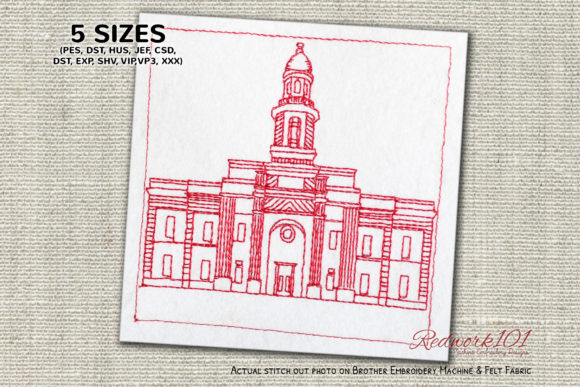
Review: Church in Antofagasta Chile Lineart Design
As an embroidery designer who spends countless hours testing machine embroidery design files for my personalized gift shop, I approach every new download with a critical eye. My clients expect perfection, whether they are ordering a delicate baby blanket or a sturdy kitchen towel. Recently, I acquired the Church in Antofagasta Chile Lineart to evaluate its potential for my upcoming collection of travel-themed and heritage-inspired keepsakes. This review details my hands-on experience planning this design for real customer orders, focusing on its aesthetic appeal, technical performance, and commercial viability.
First Impressions: Charm and Emotional Resonance
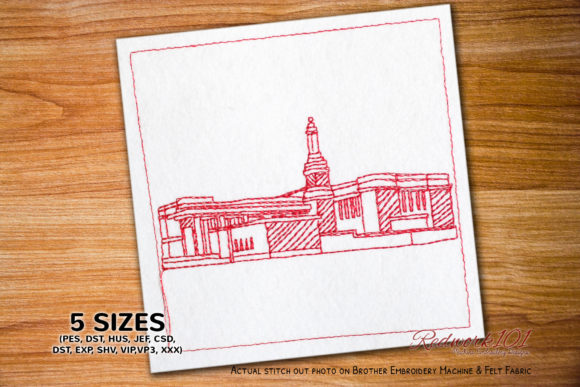
Upon loading the digital embroidery file into my editing software, the immediate impression was one of elegant simplicity. The line art style captures the architectural beauty of the church in Antofagasta without unnecessary clutter. It feels classic yet modern, possessing a quiet dignity that suits a wide range of products. Unlike overly complex scenic designs that can look muddy when stitched out, this design relies on clean lines to convey its message. It strikes a balance between being sweet and sophisticated, making it an excellent choice for customers seeking a meaningful connection to this specific location in Chile.
The mood of the design is serene and nostalgic. For a customer looking for a personalized gift that commemorates a vacation, a family root, or a spiritual journey, this image speaks volumes. It does not scream for attention but rather invites the viewer to look closer. This subtlety is crucial for high-end handmade product lines where perceived value is driven by taste and restraint. Whether used for a wedding gift for a couple who met while traveling or a nursery item for a family with Chilean heritage, the emotional connection is immediate and strong.
Versatility Across Product Categories
One of the strongest assets of the Church in Antofagasta Chile Lineart is its adaptability. In my shop, we cater to diverse needs, from baby showers to housewarmings. Here is how I envision deploying this design across various items:
- Baby Embroidery: The clean lines work beautifully on soft muslin or cotton blends for receiving blankets. It serves as a gentle introduction to cultural heritage for a newborn.
- Kitchen Linens: An embroidered towel or apron featuring this skyline adds a touch of worldly sophistication to a home cook's station.
- Home Decor: Placed centrally on a linen pillow cover or a tote bag, it becomes a statement piece for interior design enthusiasts who love travel motifs.
- Wedding Keepsakes: For couples with a connection to Antofagasta, this design is perfect for ring bearer pillows or commemorative wall hangings.
- Etsy Listings: As an Etsy seller, offering this as part of a "South America Collection" can attract buyers looking for specific geographic memorabilia that mass-produced retailers do not carry.
The design fits seamlessly into the Vacation category, appealing to travelers who want to immortalize their trips through Embroidery. However, its utility extends beyond tourism; it is equally potent for local residents proud of their city's landmarks.
Technical Considerations and Fabric Compatibility
While the aesthetic is promising, a professional designer must address the technical realities of stitching line art. Line designs can be unforgiving if the fabric texture or stabilizer choices are incorrect. When planning to use the Church in Antofagasta Chile Lineart, I recommend the following precautions:
- Fabric Texture: Avoid highly textured fabrics like thick waffle weave or loose knits for this specific design. The fine lines of the church architecture may get lost or appear jagged on rough surfaces. Smooth cotton, linen, or high-thread-count poly-cotton blends are ideal.
- Stabilizer Selection: Because line art relies on precision, using the proper stabilizer is non-negotiable. For stretchy baby clothes, a cut-away stabilizer is essential to prevent distortion over time. For towels, a water-soluble topper can help the needle penetrate the loops cleanly without sinking.
- Thread Contrast: The impact of this design relies heavily on contrast. On dark fabric, ensure you use a bright or metallic thread to make the lines pop. Conversely, on light fabric, a deep navy or charcoal thread will provide the necessary definition.
- Small Details: Review the smallest architectural details in the preview. If certain lines are too close together, they may merge during stitching. It is often wise to simplify or remove microscopic details before sending the file to the machine.
Regarding the product description note about the "Box Stitch," it is vital to remember that this element is optional. In most applications, especially on curved surfaces like caps or rounded pillow inserts, skipping the outer box allows the design to breathe and integrates better with the product's shape. Unless the box is integral to your branding or specific layout, I advise removing it to enhance the organic feel of the line art.
Enhancing Giftability and Perceived Value
In the world of custom embroidery, the difference between a commodity and a cherished heirloom often lies in the presentation. The Church in Antofagasta Chile Lineart elevates the perceived value of any item it adorns. A simple tote bag transforms into a curated travel accessory; a plain napkin set becomes a conversation starter. This design fosters buyer engagement because it tells a story. Customers are not just buying a stitch pattern; they are buying a piece of identity.
For small shop product photographers, this design offers excellent opportunities for printable mockup creation and lifestyle photography. The distinct silhouette photographs well in natural light, allowing you to showcase the finished product in settings that evoke travel, home, and family. This visual appeal directly translates to higher conversion rates on online marketplaces.
Practical Notes for the Professional Maker
Before committing to a large batch of customer orders, I always run a rigorous testing protocol. Here is my checklist for integrating this design into your workflow:
- Test on Scrap Fabric: Always stitch a sample on the exact fabric weight you intend to sell. This reveals issues with stitch density and registration that screens cannot show.
- Check Hoop Size: Verify that the design fits comfortably within your available hoop size without needing excessive re-hooping, which can lead to alignment errors.
- Review Thread Colors: Experiment with different thread colors to see which combination best highlights the architectural features of the church.
- Commercial Licensing: Crucially, confirm the commercial licensing terms before selling. Ensure you have the right to use this digital embroidery file for commercial embroidery projects intended for resale.
- Wash Testing: Since many of these items (like towels and baby clothes) require frequent washing, test the durability of the stitches. Line art should hold up without fraying or puckering after multiple cycles.
If specific details regarding stitch count or exact file formats were not provided in the initial download, I strongly advise contacting the creator or checking the documentation thoroughly. Never assume compatibility with your specific machine brand without verification.
Final Verdict
The Church in Antofagasta Chile Lineart is a standout addition to any embroidery designer's library. Its blend of cultural significance and versatile aesthetics makes it a powerful tool for creating memorable personalized gifts. By paying attention to fabric choice, stabilizer use, and detail refinement, makers can produce stunning handmade products that resonate deeply with customers. Whether for a baby's first blanket or a traveler's souvenir, this design delivers quality and emotion in equal measure.