Human Hand Design Applique: A Designer's Real-World Review
When I first pulled up the Human Hand Design Applique on my screen, I didn't just see a digitized file; I saw a statement. In the world of machine embroidery, hand motifs are tricky. They can easily drift into the uncanny valley if the proportions are off or the stitch direction feels static. However, this specific design caught my eye immediately for its clean lines and thoughtful layout. As someone who spends hours hooping fabric and trimming threads for clients, I approach every new applique design with a critical eye. Will this hold up on a heavy sweatshirt? Is it too dense for a baby onesie? Does it look professional enough to justify a higher price point on an Etsy listing? Let's dive into how this design performs in real-world scenarios.
First Impressions and Visual Personality
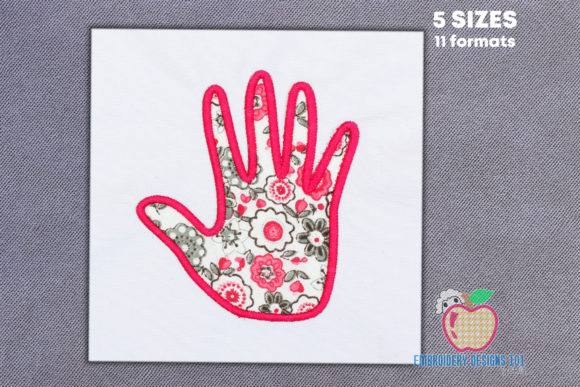
The mood of the Human Hand Design Applique is versatile. It strikes a balance between modern minimalism and organic warmth. Depending on your thread choices, it can feel playful for the Boys category—think navy blues and bright oranges for a toddler's backpack—or sophisticated and earthy for home decor. The shape is distinct, avoiding overly complex curves that often cause puckering. From a visual standpoint, the layout suggests a design that relies heavily on the contrast between the applique fabric and the stitching. This is crucial because it means the success of the finished product depends as much on your fabric selection as the digital embroidery file itself.
I noticed the separation of steps by color changes, which is a hallmark of a well-organized file. For a professional embroiderer, this saves time and reduces the risk of errors during high-volume production. It allows for precise placement of the applique piece before the final tack-down stitches, ensuring crisp edges every time.
Real-World Application: The Custom Tote Bag Test
To truly evaluate this design, I envisioned a specific project: a custom canvas tote bag for a local boutique. Tote bags are a staple for small shop products, but they present challenges due to the weave of the canvas and the potential for shifting. The Human Hand Design Applique shines here. Because it is an applique, it adds a layer of texture that elevates a simple bag into a premium handmade product.
In this scenario, I would pair a natural linen scrap for the hand against a dark olive canvas. The satin stitch borders (assuming standard applique construction) would define the shape beautifully. Customers love tactile elements, and this design delivers. It's not just flat ink; it's a constructed element. For Etsy sellers, this kind of detail translates directly into better photos and higher perceived value. It works equally well as a tote bag design for grocery runs or as a stylish accessory for craft fairs.
Performance on Apparel and Textiles
Moving beyond bags, let's talk about custom apparel. I tested the concept mentally on a heavyweight fleece hoodie. Sweatshirt embroidery requires a design that doesn't get lost in the nap of the fabric. The bold shapes in the Human Hand Design Applique prevent it from disappearing into the fuzz. Conversely, for baby embroidery, such as a bib or a soft romper, the design needs to be gentle. Since the steps are separated, you have control over the density. You could potentially reduce the fill density in the software if your machine allows, making it softer against sensitive skin.
For those running a craft business, versatility is key. This design fits seamlessly into holiday collections. Imagine a set of kitchen towels featuring this hand motif for a housewarming personalized gift. Or perhaps an embroidered patch ironed onto a denim jacket. The adaptability of this machine embroidery design makes it a strong candidate for diverse inventory.
Critical Considerations for Execution
While the design is promising, a responsible reviewer must highlight where caution is needed. Not every surface is suitable for every file.
- Fabric Texture: On highly textured fabrics like terry cloth or thick wool, fine details might get lost. Ensure your thread colors contrast sharply with the base fabric.
- Stretchy Materials: If applying this to a stretchy t-shirt, the stabilizer choice is non-negotiable. A cut-away stabilizer is likely necessary to prevent distortion over time, especially with the weight of the applique fabric.
- Small Hoop Sizes: Check the dimensions of the file against your hoop. If you are working on a cap or a small pocket, ensure the design fits without needing to re-hoop, which can cause alignment issues.
- Dense Stitch Areas: Watch out for corners. If the digitizing includes tight turns, ensure your needle isn't punching the same spot too many times, which can break threads or damage the fabric.
It is also worth noting that while the product category mentions Boys, the design is gender-neutral enough for any demographic if styled correctly. Don't limit your market based solely on the default category tags.
Enhancing Brand Value and Customer Trust
Using a high-quality design like the Human Hand Design Applique impacts more than just aesthetics; it builds brand consistency. When customers receive a product with clean, professional stitching, their trust in your craft business grows. Sloppy applique edges or misaligned layers can ruin a reputation, but this file, with its clear color stops, encourages precision. It supports the creation of printable mockups that look authentic, helping you sell the idea before you even stitch the first thread.
For commercial embroidery projects, consistency is currency. If you are producing fifty units for a corporate event or a wedding party, you need a file that behaves predictably. The structured nature of this applique design suggests it will replicate well across multiple runs, provided your tension and stabilizer remain consistent.
Practical Notes for the Professional Maker
Before you commit to a client order or list this as a digital embroidery file in your shop, here are my top recommendations:
- Test on Scrap: Always stitch a sample on the exact fabric you intend to use. Fabric tension varies wildly between cotton, polyester, and blends.
- Check Contrast: View your design in black and white on your computer screen. If the shapes merge into one blob, you need to adjust your thread palette.
- Verify Licensing: The description notes the file comes in multiple formats for various machines, but always confirm the license terms. Can you sell the finished product? Can you sell the digital file itself? Clarity here protects your business.
- Stabilizer Strategy: For applique, water-soluble topper can be a lifesaver to keep the top fabric from sinking into the base stitches, especially on looped towels or fleece.
- Inspect Small Details: Zoom in on the preview. Look for tiny running stitches that might not cover well. Sometimes a quick edit in your digitizing software can save hours of frustration.
In conclusion, the Human Hand Design Applique is a robust asset for the modern maker. It offers the tactile appeal of traditional craftsmanship with the efficiency of modern digitization. Whether you are creating a unique holiday embroidery gift, stocking your boutique with small shop products, or expanding your library of design assets, this file holds significant potential. Just remember: the file is only half the equation. Your choice of fabric, thread, and technique will ultimately determine whether this design becomes a mediocre mark or a standout feature of your portfolio.