Halloween Castle: A Traditional Embroidery Review
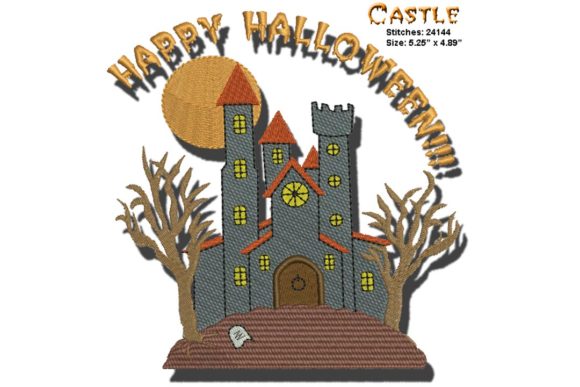
As an embroidery designer who spends countless hours digitizing and stitching for clients, I am always cautious about downloading new machine embroidery design files. The market is flooded with options, but finding a file that translates well from screen to fabric requires a keen eye. Recently, I came across the Halloween Castle on Creative Fabrica, described as a beautiful old traditional style Halloween design fitting a 4×4 hoop. Before committing this design to a paid customer order, I decided to evaluate its potential for real-world application, specifically looking at how it performs on various substrates and whether it holds up under the scrutiny of commercial embroidery standards.
First Impressions and Visual Mood
The immediate appeal of the Halloween Castle lies in its aesthetic promise. The description highlights a "traditional style," which suggests a move away from the cartoonish or overly modern interpretations of Halloween we often see. In the world of embroidery file selection, mood is everything. A traditional castle motif evokes nostalgia, gothic elegance, and a timeless spooky atmosphere that appeals to a mature demographic. This is crucial for designers creating boutique merchandise or high-end handmade gifts where subtlety often sells better than loud graphics.
Visually, a design like this relies heavily on the balance between light and shadow, achieved through stitch placement rather than just thread color changes. When reviewing the preview images, one must look for the "stitching personality." Does the design look flat, or does it have depth? For a castle structure, we expect defined turrets, perhaps some textured stone effects, and a silhouette that reads clearly even from a distance. The 4×4 hoop size constraint means every millimeter counts; there is no room for wasted space or unclear details in such a compact area.
Evaluating Practical Application on Apparel and Home Decor
The true test of any Creative Fabrica embroidery asset is how it performs on actual products. I imagined using the Halloween Castle for a variety of seasonal projects. For custom apparel, such as a black sweatshirt or a structured cap, this design could serve as a striking left-chest logo or a back-yoke accent. The traditional style pairs exceptionally well with heather grey, deep purple, or burnt orange fabrics, offering a sophisticated alternative to standard pumpkin motifs.
However, working within a 4×4 hoop presents specific challenges. On a tote bag design, this small scale might feel lost unless placed strategically, perhaps as part of a larger clustered arrangement or near a handle attachment. For sweatshirt embroidery, the fabric texture can sometimes swallow fine details. If the castle design relies on tiny running stitch outlines to define windows or brickwork, these could disappear into the fleece or French terry loop. Conversely, if the design utilizes solid fill stitch areas for the main structure, it should hold up well, provided the stitch density is not so high that it causes puckering on stretchy materials.
For home decor items like pillow covers or kitchen towels, the stability of the fabric works in our favor. A linen towel or a cotton canvas pillow provides a firm base, allowing the intricate details of a traditional castle to shine. Here, the design could elevate a simple product into a premium handmade product suitable for Etsy listings or craft fair booths. The key is ensuring the contrast between the thread colors and the base fabric is sufficient to make the architectural details pop.
Navigating Technical Challenges in Small Hoops
When dealing with a 4×4 hoop, technical precision is non-negotiable. One of the primary concerns with complex imagery in a small format is the risk of "bird nesting" or thread breaks in dense areas. A castle design often implies layered elements—towers in front of walls, flags, perhaps moon or cloud backgrounds. If the digitizer has packed too many layers into this small frame, the needle penetration can become excessive, leading to fabric distortion.
For those considering this for commercial embroidery on caps, the curved surface adds another layer of difficulty. A 4×4 design on a cap usually fits the front panel, but the curvature can compress the design vertically. It is essential to check if the embroidery file includes a version optimized for caps or if the push-pull compensation has been handled correctly. Additionally, if the design includes any lettering (which is common in seasonal themes), verify that the text is large enough to remain legible after stitching. Tiny lettering in a small hoop is a frequent point of failure in mass production.
Stabilizer choice is also critical. For dark fabrics, which are popular for Halloween themes, using a tear-away stabilizer might leave fibers behind or fail to support heavy satin columns. A cut-away stabilizer is often safer for garments that will undergo frequent washing, ensuring the finished product maintains its shape and the stitches do not sink into the fabric over time.
Impact on Brand Value and Customer Perception
In the competitive landscape of handmade shops and digital product selling, the quality of your design assets directly influences buyer trust. Using a well-executed design like the Halloween Castle can enhance your brand consistency. If your shop specializes in traditional or vintage-inspired goods, this design reinforces that identity. High-quality stitching leads to better product photography; sharp, clean lines photograph beautifully for printable mockup creation and social media engagement.
Customers are increasingly discerning. They can tell the difference between a cheap, poorly digitized file and a professional-grade digital embroidery file. A design that stitches out cleanly without constant thread trims or jumps saves you time and reduces material waste, ultimately increasing your profit margin. Furthermore, a aesthetically pleasing castle motif makes for an excellent personalized gift. Imagine monogramming the base of the castle or pairing it with a name script; the traditional style offers a dignified backdrop for personalization that feels special and thoughtful.
Final Recommendations and Due Diligence
Before integrating the Halloween Castle into your production workflow, I strongly advise conducting a thorough test. Always stitch a sample on scrap fabric that matches your intended final material. Check the back of the stitch-out for excessive buildup and ensure the tension is balanced. Pay close attention to the edges of the castle towers and any decorative elements to see if they lay flat.
It is also vital to review the licensing terms on the Creative Fabrica product page. While many designs allow for commercial use on physical finished goods, restrictions may apply to reselling the file itself or using it in certain digital contexts. Confirm the included formats match your machine's requirements to avoid conversion errors that could alter stitch paths.
In conclusion, the Halloween Castle offers a promising avenue for designers looking to add a touch of classic spooky elegance to their autumn collections. Its suitability for a 4×4 hoop makes it versatile for smaller applications like patches, baby items, or pocket details. However, success depends on careful material selection, proper stabilization, and a keen eye for detail during the stitching process. By treating this design asset with the professional scrutiny it deserves, you can create stunning, saleable items that resonate with customers seeking quality and tradition in their Halloween decor and apparel.