Floral Seamless Pattern: A Pro Review for Business Merch
As an embroidery designer who has spent years digitizing and reviewing files for commercial use, I approach every new machine embroidery design with a critical eye. It is not just about whether a pattern looks pretty on a screen; it is about how it performs under the needle when producing hundreds of units for a small business. Today, I am reviewing the Floral Seamless Pattern, specifically looking at its potential for branded merchandise, patches, and uniform accents. This design falls under the Paisley category, which often suggests a blend of classic elegance and intricate detail, making it a compelling candidate for brands wanting to project a handmade yet professional image.
First Impressions and Visual Personality
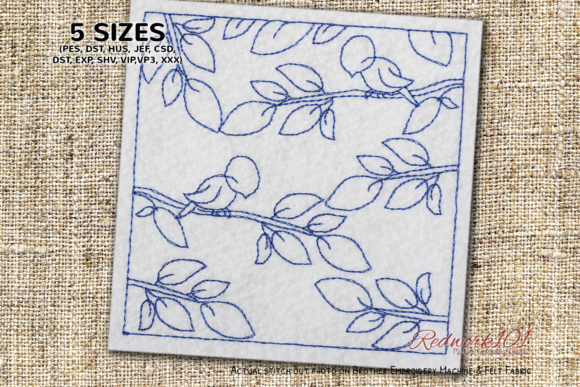
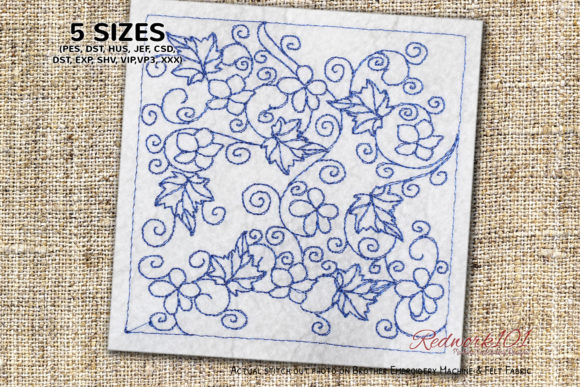
Upon initial inspection, the Floral Seamless Pattern exudes a sense of rustic charm mixed with modern sophistication. The "Bluework" designation in the description immediately signals a traditional aesthetic, reminiscent of classic ceramic tiles or vintage textiles. This visual personality is incredibly versatile. For a florist, a boutique bakery, or a creative studio, this design feels friendly and inviting without sacrificing professionalism. It avoids the overly corporate stiffness of geometric logos, offering instead a softer, more organic touch that resonates well with consumers looking for authentic, handmade product experiences.
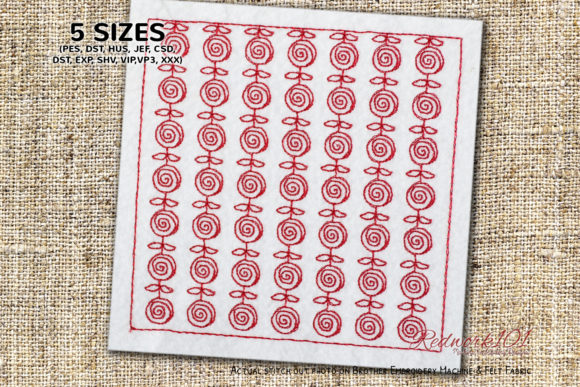
The description notes that the box stitch shown in pictures is optional and that the outer box color often varies. This flexibility is a huge plus for brand identity. It means you can adapt the framing of the floral elements to match specific brand colors or remove the border entirely for a more fluid look on curved surfaces like caps or sleeves. However, designers must be cautious; removing structural elements like a bounding box can sometimes affect the stability of the stitch-out if the density relies on that frame for support.
Real-World Applications for Small Business Merch
When evaluating this digital embroidery file for real business scenarios, several applications stand out. For local cafes and bakeries, this pattern works exceptionally well as an apron embroidery detail. Placed on the chest pocket or the lower hem, it adds a touch of artisanal quality that customers notice immediately. Similarly, for retail boutiques, using this design on tote bags creates a high-value tote bag design that customers are likely to reuse, turning them into walking advertisements for the shop.
For those in the pet industry or selling handmade goods on Etsy, this pattern serves as an excellent embroidered patch. Patches are a low-risk way to test new branding assets. You can apply these patches to beanies, denim jackets, or even product packaging as a premium seal of quality. The seamless nature of the pattern also makes it ideal for all-over prints on scarves or lining fabrics for high-end apparel, adding a layer of luxury to the finished product.
In the realm of custom apparel, this design shines as a sleeve detail or a back-yoke accent on work shirts. Unlike large central logos that can feel heavy, a repeating floral motif or a segmented portion of this seamless pattern offers a subtle nod to branding that feels exclusive and designed-with-care. It elevates standard uniforms into something employees actually want to wear.
Critical Considerations for Production
While the aesthetic appeal is strong, practical application requires careful planning. One of the primary concerns with any detailed floral or Paisley design is stitch density. High density can lead to stiff patches that do not drape well on soft fabrics like cotton tees or linen aprons. Before running a production batch, it is crucial to request a test stitch-out. If the design feels too rigid, you may need to ask the digitizer to reduce the density or increase the pull compensation.
Size is another critical factor. The Floral Seamless Pattern contains intricate details that may get lost if scaled down too far. For cap embroidery, where the working area is small and curved, ensure the smallest floral elements remain distinct. Tiny details can easily turn into a muddy blob of thread if the resolution isn't there. Always check the minimum recommended size before committing to a small patch run.
Fabric texture also plays a massive role. On textured fabrics like canvas tote bags or wool blends, fine lines in the floral pattern might get swallowed by the weave. Conversely, on smooth performance fabrics, the sheen of the thread might alter the perceived color contrast. The description mentions that thread colors can vary; therefore, verifying the thread colors against your specific brand palette is essential. Do not assume the default bluework scheme will match your navy or teal branding without adjustment.
Impact on Brand Identity and Customer Trust
Using a high-quality, intricate design like the Floral Seamless Pattern sends a clear message to your customers: you value quality and detail. In a market saturated with generic print-on-demand items, embroidered merchandise stands out for its tactile quality and durability. This design helps build brand identity by associating your business with craftsmanship. When a customer receives a gift bag with a beautifully embroidered tag or wears an apron with this pattern, their perception of your brand's value increases.
Consistency is key. If you use this pattern across various design assets—from staff uniforms to limited edition merch—it creates a cohesive visual language. This recognition fosters trust. Customers begin to associate the specific look of this floral motif with the reliability and charm of your business. It transforms a simple transaction into a brand experience.
Practical Designer Notes and Next Steps
Before integrating the Floral Seamless Pattern into your commercial workflow, follow these professional steps:
- Test in Monochrome: Stitch the design in black and white first. This reveals the true structure and contrast of the pattern without the distraction of color, helping you identify potential density issues.
- Verify Hoop Size: The description does not specify exact dimensions. Confirm the required hoop size to ensure it fits your machine capabilities, especially if you plan to do multi-position stitching for larger items.
- Check Stabilizer Requirements: Detailed floral designs often require cut-away stabilizer rather than tear-away to prevent distortion over time, especially on items that will be frequently washed like aprons and uniforms.
- Create a Printable Mockup: Before stitching, create a printable mockup to visualize how the pattern sits on your specific garment cuts. This saves time and thread.
- Confirm Licensing: Since this is intended for commercial embroidery and resale, explicitly confirm the license terms with the seller. Ensure you have the rights to use the embroidery file for unlimited production runs.
- Evaluate Spacing: If using the seamless feature for an all-over pattern, check the repeat points to ensure there are no visible seams or gaps in the final output.
In conclusion, the Floral Seamless Pattern is a robust asset for small businesses aiming to elevate their merchandise game. Its blend of traditional Bluework style with versatile application options makes it suitable for everything from high-end boutique tags to durable staff uniforms. However, success lies in the details. By respecting the limitations of stitch density, carefully selecting fabrics, and rigorously testing the file before full-scale production, you can leverage this design to create stunning, profitable, and brand-enhancing products. Always remember to verify the technical specifics like file formats and exact stitch counts with the provider, as these details are vital for a smooth production process.