Arequipa Peru Temple Redwork Design Review
As an experienced embroidery designer preparing for the upcoming holiday season, I am constantly scouting for digital embroidery files that offer both spiritual depth and commercial versatility. When I first loaded the Arequipa Peru Temple Redwork Design onto my screen, I knew I had found a piece that would anchor a specific niche within my seasonal collection. This isn't just another generic holiday motif; it is a design rooted in Religion and heritage, perfect for customers seeking meaningful, personalized gifts. In this review, I will break down how this machine embroidery design performs in real-world selling situations, from Etsy listings to craft fair displays, and provide practical notes for fellow creators looking to maximize its potential.
First Impressions: A Nostalgic and Spiritual Aesthetic
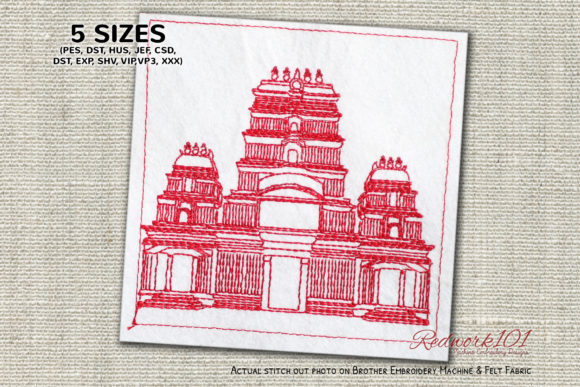
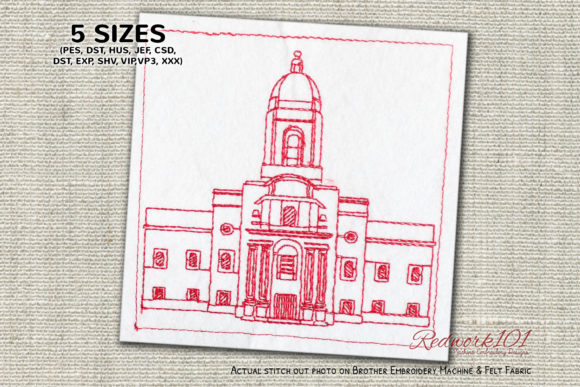
The immediate visual impact of the Arequipa Peru Temple Redwork Design is one of elegant simplicity. Redwork, by definition, relies on a single thread color to create line art, and this design captures that classic, nostalgic feel beautifully. The lines are clean yet detailed enough to convey the architectural grandeur of the temple without becoming muddy when stitched out. There is a cozy, rustic charm to redwork that feels particularly appropriate for winter holidays and family gatherings. It evokes a sense of tradition and timelessness, making it an ideal choice for buyers who value spiritual significance over flashy trends.
The emotional tone of this design is serene and reverent. Unlike playful or cute holiday graphics, this piece commands respect and attention. It feels premium because of its historical subject matter, yet accessible due to the simplicity of the redwork style. For a small shop product line, this duality is gold. It allows you to market the item as a high-end home decor piece while keeping production costs low, as redwork typically uses less thread and fewer color changes than full-fill designs.
Seasonal Applications and Product Versatility
When planning a seasonal shop collection, versatility is key. The Arequipa Peru Temple Redwork Design shines across a wide array of substrates. Here is how I envision integrating it into a holiday product drop:
- Sweatshirt Embroidery: Placed on the left chest or centered on the back of a cream or heather grey sweatshirt, this design creates a modest yet statement-making piece of apparel. It appeals to individuals wanting to display their faith subtly during the holidays.
- Kitchen Towel Embroidery: Redwork is traditionally associated with kitchen linens. Stitching this temple design onto flour sack towels creates an instant heirloom-quality handmade gift. It pairs wonderfully with other redwork motifs for a coordinated set.
- Tote Bag Design: For church groups or family reunions, this design works exceptionally well on canvas tote bags. It serves as a functional item for carrying hymnals, groceries, or holiday gifts.
- Pillow Cover Decor: A large hoop version of this design centered on a linen pillow cover adds a touch of spiritual elegance to living room decor, perfect for guests visiting during religious holidays.
- Embroidered Patch: If your machine supports it, creating iron-on patches allows customers to apply the temple imagery to jackets, backpacks, or hats without committing to permanent embroidery on stretchy garments.
For Etsy sellers and handmade gift makers, the ability to offer these items as part of a bundle increases the average order value. Imagine a "Heritage Holiday Bundle" featuring a matching apron, towel, and tote bag, all featuring the Arequipa Peru Temple Redwork Design. This approach not only boosts sales but also enhances the perceived value of your brand.
Navigating Technical Challenges and Fabric Choices
While the design is stunning, there are technical considerations every embroidery designer must address before listing finished products. Redwork relies heavily on the contrast between the thread and the fabric. Since this is a single-color design, choosing the wrong fabric texture or color can render the details invisible.
I strongly advise testing thread colors on both light and dark fabric before committing to a production run. While traditional redwork uses red thread on white fabric, modern interpretations might use white thread on navy or black for a striking contrast. However, be cautious with dark fabrics; ensure your stitch density is sufficient to cover the background without gaps, though redwork is generally open by nature.
Another critical factor is the hoop size. The product description notes that the box stitch shown in pictures is optional and that the outer box color often differs. You must confirm the specific hoop size required for your machine before purchasing the digital embroidery file. If the design is too large for a standard 4x4 hoop, you may need to resize it, which can affect the stitch density and clarity of fine details. Always check the manufacturer's guidelines on resizing limits to prevent pixelation or thread breaks.
Furthermore, when working with stretchy garments like sweatshirts or curved caps, proper stabilization is non-negotiable. A cut-away stabilizer is often best for items that will undergo repeated washing, ensuring the temple lines remain crisp and do not pucker over time. For kitchen towels, a tear-away stabilizer usually suffices, provided the fabric weave is tight enough to support the stitching.
Maximizing Commercial Appeal and Buyer Emotion
In the context of holiday shopping, buyer emotion drives purchasing decisions. The Arequipa Peru Temple Redwork Design taps into feelings of devotion, family history, and cultural pride. For customers with ties to Peru or the LDS faith (given the temple subject), this design offers a deep personal connection that generic snowflakes or reindeer cannot match.
To leverage this in your marketing, focus on the story behind the design. Use social media previews and printable mockups that show the design in a warm, homey setting—perhaps draped over a mantle or held by a grandmother. Highlight the fact that this is a personalized gift option; you can easily add names or dates below the temple in a complementary font, provided your hoop size allows for the extra text.
Visual recognition is also vital. Because redwork is distinct, your products will stand out in a sea of full-color, saturated holiday items. This visual consistency helps build brand trust. Customers begin to associate your shop with quality, thoughtful, and spiritually significant items. Whether you are selling at a local craft fair or through an online store, this design acts as a beacon for a specific demographic willing to pay a premium for meaningful craftsmanship.
Essential Designer Notes for Success
Before adding this to your inventory, keep these practical steps in mind:
- Verify Licensing: Always confirm commercial licensing terms before selling finished seasonal products. Ensure the digital embroidery file purchase includes rights for physical goods.
- Check Stitch Details: Review the small details after stitching a test sample. Ensure the optional box stitch aligns with your aesthetic goals; the description suggests it can be skipped if it doesn't fit the design flow.
- Thread Selection: Experiment with different shades of red or alternative colors to see what pops best against your chosen fabric texture. Metallic thread could add a festive holiday sparkle but may require a larger needle eye.
- Mockup Realism: Create realistic mockups for your listings. Show the design on actual fabric rather than just digital overlays to give customers a true sense of the stitch texture.
- Care Instructions: Since these items may be heirlooms, provide clear care instructions to your customers to maintain the integrity of the embroidery through years of use.
In conclusion, the Arequipa Peru Temple Redwork Design is a powerful addition to any seasonal catalog. It bridges the gap between religious sentiment and fashionable home decor. By paying attention to fabric choices, stabilization, and presentation, you can transform this simple line art into a best-selling holiday item that resonates deeply with your customers. Whether used for a humble kitchen towel or a cherished family sweatshirt, this design proves that sometimes, less truly is more.